A carnivore diet can lead to rapid changes on the scale, especially at the beginning. When you focus on animal foods only, you drastically change how your body uses energy, which is why you often see fast carnivore diet weight loss stories online. Understanding what is actually happening inside your body helps you decide if this approach is right for you, and what risks you need to consider before you try it.
Below, you will learn how the carnivore diet works, why weight drops quickly for many people, what the science and experts say about safety, and what to think through before you overhaul your eating habits.
What the carnivore diet actually is
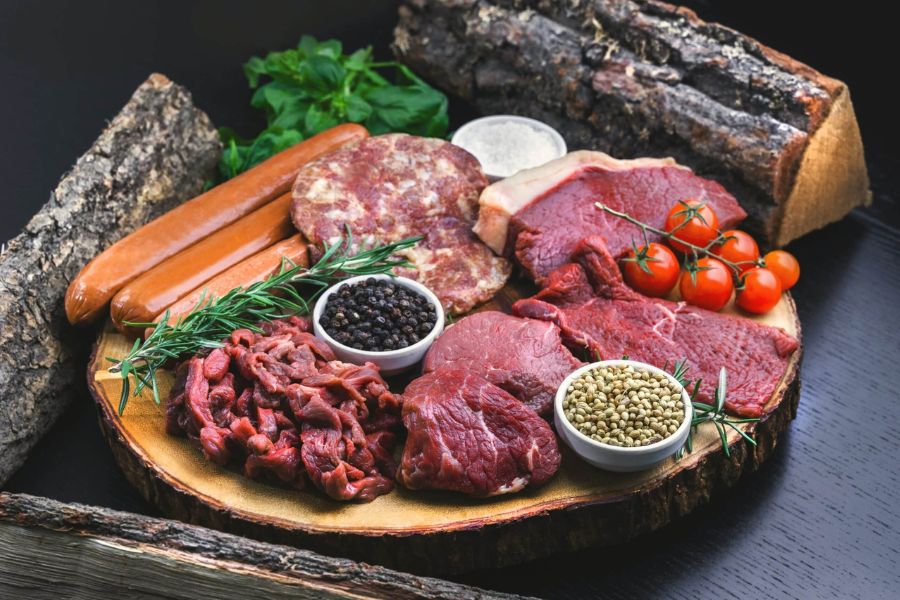
On a strict carnivore diet, you eat only foods that come from animals. That means your plate is built around meat, fish, eggs, and some dairy, and you avoid every plant food.
According to Harvard Health, the carnivore diet allows meat, poultry, eggs, seafood, fish, some dairy products, and water, while excluding vegetables, fruits, grains, legumes, nuts, and seeds. It is often called a “zero carb” diet because it nearly eliminates carbohydrates as of 2026 (Harvard Health Publishing).
In practice, that usually looks like:
- Beef, pork, lamb, game meats
- Chicken, turkey, and other poultry
- Fish and shellfish
- Eggs
- Butter, ghee, and sometimes hard cheeses
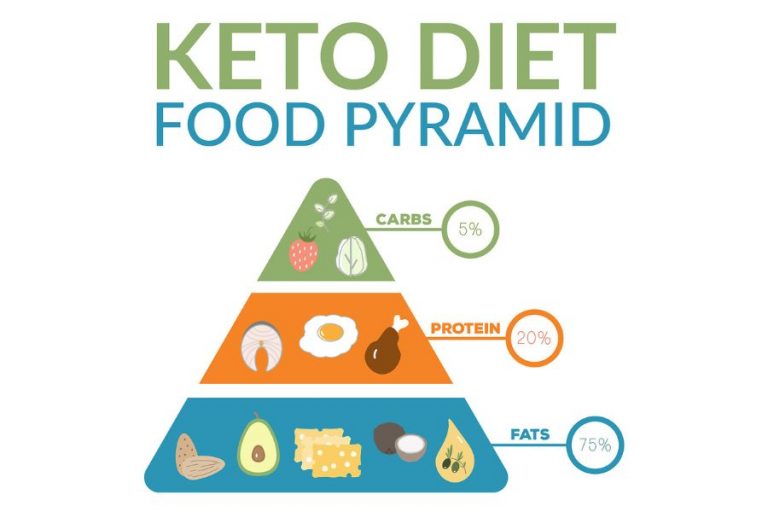
There are no side salads, no oatmeal, no beans, and no fruit. This makes the carnivore diet even more restrictive than typical ketogenic plans that still allow up to 10 percent of calories from carbohydrates (Harvard Health Publishing).
Because of how limited this is, nearly every nutrition organization classifies it as an extreme diet, not a balanced pattern of eating (Cleveland Clinic, University Hospitals).
How carnivore changes your metabolism
One reason you may see fast weight loss on carnivore is the way it shifts your metabolism. When you remove carbohydrates, your body has to find another fuel source.
Harvard Health explains that the carnivore diet is essentially the most ketogenic diet, because it allows almost no carbohydrates. With so few carbs available, your body starts burning fat for energy and produces ketones, a state called ketosis (Harvard Health Publishing).
In ketosis, you use fat in several ways:
- You burn stored body fat for energy.
- You burn the fat you eat from meat, eggs, butter, and cheese.
- Your liver creates ketones, which your brain and muscles can use as fuel.
Ketosis is not unique to carnivore, but because carnivore is so close to zero carb, you are likely to enter this state quickly if you follow it strictly.
At the same time, protein intake tends to be very high. Protein is the most filling macronutrient, so you may feel full sooner and naturally eat fewer calories without tracking every bite. The British Heart Foundation notes that high protein can increase satiety, which in turn may reduce overall calorie intake and support weight loss (British Heart Foundation).
Why weight often drops quickly
You might step on the scale a few days into carnivore and see several pounds gone. That rapid shift has a few explanations that go beyond simply “burning fat.”
Water and glycogen loss
When you eat carbohydrates, your body stores some as glycogen in your muscles and liver, and each gram of glycogen is stored with water. When you remove carbs almost completely, you burn through those glycogen stores and lose the water attached to them.
This is why you often see such a big drop in the first week. It can feel motivating, but it is important to remember that this early loss is mostly water, not pure body fat.
Fewer ultra‑processed foods
Even if you eat plenty of protein already, a typical Western diet often includes a lot of calorie dense processed carbs, such as cookies, cakes, chips, and sugary drinks. The carnivore diet automatically cuts those out.
Baylor Scott & White Health points out that eliminating unhealthy processed carbohydrates like sweets and sodas can reduce intake of calorie dense, nutrient poor foods, which may support weight loss efforts (Baylor Scott & White Health). Instead of grazing on snacks throughout the day, you are more likely to eat a few large, filling meals.
Strong appetite control
On carnivore, your meals are built from protein and fat rich foods that digest slowly. Many people report feeling more satisfied and less driven to snack. High protein, in particular, is known to reduce hunger hormones and keep you fuller for longer.
That combination, fewer processed carbs and more filling protein and fat, can lead you to eat fewer calories without trying. When you consistently take in less energy than you burn, you lose weight.
What success stories do and do not tell you
If you search for “carnivore diet weight loss,” you will find many dramatic before and after photos. Some of those stories are impressive and very personal, but they do not replace careful research.
The Primal shares several examples of people who report significant changes:
- A 50 year old woman who says she lost 50 pounds, resolved menopause symptoms, and felt more energetic by prioritizing protein on carnivore (The Primal).
- Someone with severe IBS, mood disorders, and chronic pain who reports losing 25 pounds in 60 days and feeling better overall without other lifestyle changes (The Primal).
- Another person who describes losing 10 pounds in 50 days, normalizing blood pressure, lowering blood glucose, and discontinuing several medications after starting carnivore (The Primal).
Other self experiments show more mixed results. Chief Nutrition highlights a case where an individual following a strict carnivore diet with resistance training actually gained body fat along with muscle in one month, and another person who lost 10 pounds, then hit a plateau despite tracking calories and sticking to carnivore rules (Chief Nutrition).
These accounts show you that:
- Some people do lose weight and feel better.
- Others struggle with plateaus, weight gain, or side effects.
- Experiences are highly individual and are not controlled scientific studies.
The British Heart Foundation notes a 2021 survey of 2,029 people on the carnivore diet for at least six months where many reported improved health and weight, but the researchers relied on self reporting with no medical verification, so the evidence is limited (British Heart Foundation).
The serious risks you need to weigh
Fast results can be appealing, but nearly every medical source in the research urges caution. The main concerns are not about the first few weeks, but about what happens if you follow carnivore for months or years.
Nutrient gaps and lack of fiber
By cutting out fruits, vegetables, whole grains, and legumes, you remove many vitamins, minerals, and plant compounds that protect your long term health.
The Cleveland Clinic points out that this exclusion can lead to deficiencies, because you lose major sources of nutrients like vitamin C, fiber, and phytonutrients, which support heart health, digestion, and disease prevention (Cleveland Clinic, Inspira Health Network).
Fiber in particular is a problem. With only animal foods, your fiber intake drops to almost zero. Over time, that can trigger constipation and other digestive issues, as Baylor Scott & White Health warns (Baylor Scott & White Health).
Heart and kidney strain
Red and processed meats are high in saturated fat. Harvard Health notes that a very high intake of saturated animal fats can raise LDL cholesterol and increase the risk of heart disease (Harvard Health Publishing). The British Heart Foundation goes further, advising against the carnivore diet because its high saturated fat and low fiber content are linked with higher cholesterol and heart disease risk. They instead recommend a Mediterranean style eating pattern for safer weight loss (British Heart Foundation).
Very high protein intake can also strain your kidneys. Over time, Harvard Health warns of possible kidney stones, gout, osteoporosis, and impaired kidney function linked to chronically high protein consumption (Harvard Health Publishing).
Long term unknowns
Because the carnivore diet is relatively new and extreme, there is very little long term, high quality research. Inspira Health notes that the long term health effects remain largely unknown, and medical professionals recommend more balanced diets that include vegetables, fruits, whole grains, and lean protein for sustainable health and weight management (Inspira Health Network).
University Hospitals calls carnivore an “extreme keto” plan and stresses that completely eliminating entire food groups, even in the short term, can negatively affect health. They specifically caution people with heart disease, kidney problems, nutrient deficiencies, pregnant people, children, and those with compromised immune systems about trying this way of eating (University Hospitals).
Can carnivore ever make sense for you?
Given these risks, major medical groups do not recommend the carnivore diet as a primary weight loss tool. Harvard Health explicitly advises against it for weight loss, despite acknowledging that ketogenic diets can cause fat loss (Harvard Health Publishing). The Cleveland Clinic and British Heart Foundation share similar warnings (Cleveland Clinic, British Heart Foundation).
There are, however, a few specific situations where a short, closely monitored trial may be considered. University Hospitals notes that some people with gluten intolerance, certain dairy sensitivities, or reactions to plant compounds like lectins or oxalates report fewer symptoms on carnivore, because the diet removes many common irritants (University Hospitals).
If you are considering carnivore for symptom relief or weight loss, it is important that you:
- Talk with a doctor or registered dietitian first. Multiple sources, including Inspira Health and Saint Alphonsus, emphasize consulting a professional before starting such a restrictive plan (Inspira Health Network, Saint Alphonsus).
- Screen for existing heart, kidney, or metabolic issues.
- Set a clear time frame rather than treating carnivore as a forever plan.
- Check your lab work regularly if you continue beyond a brief trial.
A registered dietitian can also help you design a less extreme low carb plan that captures some of the appetite and blood sugar benefits without eliminating all plant foods.
A safer path to sustainable weight loss
If your main goal is to lose weight and improve your health, most experts point you toward a more balanced approach. St. Vincent’s Medical Center recommends the MyPlate style model, with about one quarter of your plate as protein, one quarter as carbohydrates, and half vegetables. They describe this as a safer and more sustainable pattern for weight control and long term health compared to extreme diets like carnivore (St. Vincent’s Medical Center).
You can borrow some ideas from carnivore without going all in:
- Prioritize high quality protein at each meal to feel fuller for longer.
- Reduce sugary drinks and refined snacks that add calories without much nutrition.
- Include healthy fats from sources like fatty fish, olive oil, nuts, and seeds.
- Build your plate around vegetables, lean or moderately fatty protein, and some whole food carbohydrates.
This kind of pattern still supports weight loss through better appetite control and fewer empty calories, but it gives you the vitamins, minerals, fiber, and flexibility your body needs.
If you are feeling pulled toward carnivore because you want fast results, ask yourself how you want your life to look not just next month, but next year. A way of eating that protects your heart, your digestion, and your energy is more valuable than a crash in your scale weight.
Key points to remember
- The carnivore diet is a zero carb, animal only plan that pushes your body into ketosis and often leads to quick early weight loss, especially from water and reduced processed foods (Harvard Health Publishing, Baylor Scott & White Health).
- Some people report dramatic carnivore diet weight loss and symptom relief, but these are individual stories, not controlled evidence, and results vary widely (The Primal, Chief Nutrition).
- Major medical organizations warn that carnivore can cause nutrient deficiencies, digestive issues, higher cholesterol, and kidney strain, and they do not recommend it as a long term weight loss solution (Cleveland Clinic, British Heart Foundation, Harvard Health Publishing).
- A balanced pattern that includes vegetables, fruits, whole grains, and lean protein is considered a safer long term path for losing weight and supporting your overall health (Inspira Health Network, St. Vincent’s Medical Center).
If you are curious about carnivore, talk with a healthcare professional about your goals first. Together, you can decide whether a different, less restrictive approach might give you the weight loss and health improvements you are looking for without asking you to give up every plant food on your plate.
About the Author