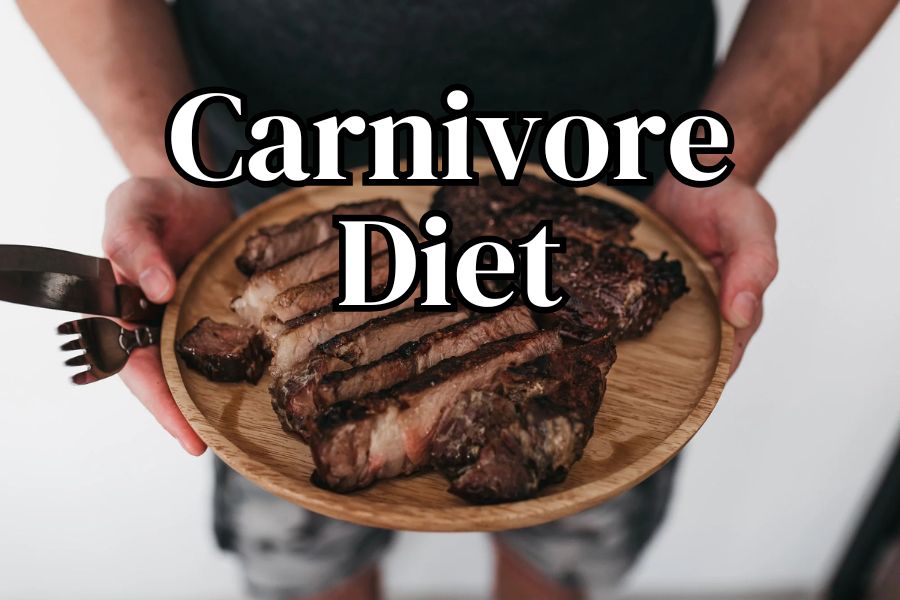
A carnivore diet for beginners can seem simple on the surface. You eat only animal foods like meat, fish, eggs, and some dairy, and you skip everything else. No bread, no fruit, no veggies, no nuts, no sweets. In practice, though, this way of eating is a big change for your body and your routine.
If you are curious whether a carnivore diet can boost your energy, help you lose weight, or improve certain health markers, it helps to understand what it does well, where it falls short, and how to approach it safely as a beginner.
Understand what the carnivore diet is
On a classic carnivore diet, your plate is made up entirely of animal products. That usually means beef, pork, lamb, chicken, turkey, fish, shellfish, eggs, and sometimes small amounts of low lactose dairy like hard cheese and butter. You avoid all carbohydrates, including fruits, vegetables, grains, legumes, nuts, and seeds (WebMD, Cleveland Clinic).
People are drawn to this way of eating for a few main reasons. You might want to lose weight, calm digestive issues, get off the blood sugar roller coaster, or simply try a very low carb lifestyle after dabbling in keto or paleo.
Health organizations describe it as extremely restrictive and very different from balanced patterns that include plants (Cleveland Clinic, Healthline). That does not mean you can never experiment with it, but it does mean you should go in with your eyes open.
How a carnivore diet may affect your energy
If you are starting a carnivore diet for beginners, energy is probably one of the first changes you are watching for. Many people report a dip at first, followed by a possible increase. The science behind this is still developing, and much of what you read online is anecdotal (Healthline, Cleveland Clinic).
Short term: adaptation and energy dips
In the first days or weeks, your body has to adapt to very low carbohydrate intake. You are used to using glucose from carbs as your main fuel. When you cut carbs sharply, your body needs to rely more on fat and protein for energy. During this shift, you may feel:
- Tired or foggy
- Headachy
- A bit dizzy or irritable
- Less motivated to exercise
These symptoms are reported frequently with very low carb approaches. On a meat only diet, the effect can feel even more intense because you do not have any plant carbohydrate cushion. WebMD notes that early side effects can include headaches, nausea, and digestive changes like diarrhea (WebMD).
Staying hydrated, salting your food to support electrolytes, and easing into the diet instead of changing overnight can make this period more manageable.
Medium term: potential energy improvements
Once your body adjusts, you may notice steadier energy because you are not riding the normal carb and blood sugar swings. A high protein, high fat diet can keep you full for longer, which may reduce mid afternoon crashes and constant snacking (Healthline).
Some people in surveys of carnivore eaters report increased energy and general satisfaction with the diet, along with weight loss and better blood sugar control (WebMD). It is important to remember that these reports are self described, not measured in controlled clinical trials, so your own experience could be very different.
Long term: concerns that may affect vitality
Over time, potential nutrient gaps and high intakes of saturated fat and salt can catch up with you. Lack of fiber and plant antioxidants may affect your digestion, gut microbiome balance, and long term disease risk (Healthline, Gene Food).
Some people see LDL cholesterol rise on very high meat diets, which can increase cardiovascular risk (Gene Food). If your health is suffering in the background, that can eventually drain your energy even if you feel good at first.
Thinking about energy on this diet is not only about how you feel next week. It is also about how sustainable and safe your approach is over months and years.
Possible benefits for beginners
Despite the concerns, there are reasons the carnivore diet keeps gaining attention. As a beginner, you may experience several short term upsides, especially if your previous eating pattern was heavy on refined carbs and ultra processed foods.
Weight loss and appetite control
By cutting out all refined carbs, sweets, and snack foods, you are automatically removing a lot of calorie dense items. High protein and fat meals are also very filling, and this can naturally reduce how much you eat without strict calorie counting (Healthline).
In one large survey of more than 2,000 carnivore diet followers, many reported weight loss after 9 to 20 months, although the results were self reported and not confirmed by medical exams or lab work (WebMD). Even so, eating fewer processed foods plus more protein is a known combination for appetite control.
Blood sugar stability
If you struggle with blood sugar spikes and dips, removing all carbohydrate rich foods can flatten those swings. Some people with type 2 diabetes in the same survey said they were able to reduce or stop certain medications while on a carnivore diet, though this was not monitored in a formal study (WebMD).
This does not mean you should try it without medical supervision, especially if you take insulin or other diabetes medications. However, it suggests why some people feel more mentally clear and less sluggish when they move to very low carb eating.
Simplicity and routine
There is also a practical benefit. You do not have to think about recipes that balance multiple food groups. Many carnivore beginners like the simple rhythm of rotating a few protein rich meals, for example eggs and bacon, ground beef bowls, steak or salmon with butter.
Removing choice can reduce stress around food. For some people this alone makes day to day life feel easier and more focused.
Real risks you need to know
The same simplicity that makes a carnivore diet for beginners attractive is what makes health experts cautious. You are cutting away entire categories of nutrient dense foods. That can create both immediate and longer term problems.
Nutrient deficiencies and lack of fiber
Fruits, vegetables, whole grains, legumes, nuts, and seeds are major sources of fiber, vitamin C, vitamin A, folate, potassium, and many plant antioxidants. Without them, your intake of these nutrients can plummet (WebMD, Healthline).
Healthline notes that the carnivore diet is very low in vitamin C, folate, and fiber, and that this pattern may increase your risk for gut inflammation and certain cancers over time (Healthline). WebMD points to low fiber and low potassium as specific concerns as well (WebMD).
Lack of fiber can lead to constipation and uncomfortable digestion. It also affects the health of your gut bacteria. Research suggests that eliminating plant fiber and eating a lot of meat can promote bacteria linked to gut inflammation and increase colon cancer risk as undigested meat ferments in the colon (Gene Food).
Heart and kidney concerns
Carnivore diets rely heavily on animal protein and fat. A large review of 34 clinical trials found that high intakes of animal protein can raise LDL cholesterol to unhealthy levels, which is strongly linked to an increased risk of cardiovascular and all cause mortality (Gene Food).
Breaking down protein also produces ammonia, which your liver converts to urea. Gene Food notes that around one third of people may have genetic variants that make this process less efficient, which in theory could increase ammonia related health risks on a very high protein diet (Gene Food).
If you already have kidney disease, high blood pressure, diabetes, or heart disease, major medical centers strongly advise against trying a strict carnivore diet because of these combined risks (WebMD, Cleveland Clinic).
Who should avoid this diet
Health experts are quite clear about who should not experiment with a meat only plan. WebMD and Cleveland Clinic both warn that the carnivore diet is particularly unsafe for:
- Anyone who is pregnant or breastfeeding
- Children and teens
- People with chronic kidney disease
- People with heart disease or high cholesterol
- People with high blood pressure
- Those with a history of eating disorders (WebMD, Healthline)
Cleveland Clinic goes further and recommends against the carnivore diet in general, even for healthy adults, and instead supports a balanced pattern that includes a variety of whole plant and animal foods (Cleveland Clinic).
If you have any underlying condition or take prescription medications, check in with your healthcare provider before trying a carnivore diet, even for a short time.
How to start a carnivore diet more safely
If you decide you still want to explore a carnivore diet for beginners, treat it like a structured experiment rather than a permanent lifestyle from day one. A few steps can help you do this in a safer, more intentional way.
Clean out and restock your kitchen
WebMD suggests removing all carb containing foods from your pantry and focusing your shopping list on animal based options. That usually looks like:
- Meat such as beef, lamb, pork, and bison
- Poultry such as chicken and turkey
- Fish and seafood, preferably a mix of fatty and lean types
- Eggs
- Some dairy, typically cheese and butter, if you tolerate it
- Animal fats like butter and tallow for cooking (WebMD)
Many people also include organ meats like liver or heart to broaden their nutrient intake, and some follow a nose to tail style pattern that uses less common cuts and parts (Primal Kitchen).
Decide how strict you want to be
There is a spectrum of carnivore style diets. A strict version includes only meat, eggs, and maybe salt and water. More flexible versions sometimes allow:
- Full fat dairy
- Herbs, spices, and simple condiments
- Occasional non starchy vegetables
- Coffee or tea in small amounts, even though purists often avoid plant based drinks (Primal Kitchen)
Starting with a less rigid approach can help you monitor how you feel without locking you into the most extreme version of the diet immediately.
Set a clear timeframe and goals
Instead of telling yourself you are going carnivore forever, decide on a trial period. Two to four weeks is long enough to notice early effects but short enough to step back and reassess.
During this trial, track:
- Energy levels throughout the day
- Sleep quality
- Digestive changes
- Mood and focus
- Cravings or binge tendencies
- Weight and waist measurements if those are important to you
If you have access to lab testing, you can also check blood lipids, kidney function, and blood sugar before and after in consultation with your healthcare provider.
When a balanced approach may serve you better
As you explore the carnivore diet and its effect on your energy, it helps to keep one more perspective in mind. Major medical organizations do not view this way of eating as a healthy long term option for most people, even if you feel better at first.
Cleveland Clinic emphasizes that the Dietary Guidelines for Americans recommend a balance of fruits, vegetables, grains, and lean proteins rather than eliminating carbs entirely (Cleveland Clinic). Healthline and WebMD both point out that claims about reduced inflammation, better mood, or dramatically higher energy on this diet are not backed by controlled research at this time (Healthline, WebMD).
You might find that you can get many of the same benefits you are looking for, such as weight loss, more stable blood sugar, and better focus, by:
- Cutting back on ultra processed foods and added sugar
- Prioritizing protein at each meal
- Choosing whole food carbohydrates like fruit, vegetables, and whole grains
- Including healthy fats from both plants and animals
- Paying attention to how specific foods make you feel
This kind of flexible pattern gives you far more room to meet your nutrient needs without the same level of risk or restriction.
Bringing it all together
A carnivore diet for beginners is simple to explain but complex to live with. You may experience steadier energy and weight loss, especially if you are coming from a highly processed, high sugar diet. At the same time, you face real trade offs in terms of fiber, micronutrients, gut health, and long term heart and kidney risks.
If you decide to try it, treat it as a short, well planned experiment. Clean up your kitchen, choose high quality animal foods, set a clear trial length, and involve your healthcare provider if you have any underlying conditions or take medication.
Most of all, pay close attention to how you feel, both physically and mentally. Your goal is not to follow a trend perfectly. It is to find an eating pattern that supports your energy, health, and daily life in a way you can sustain.
About the Author