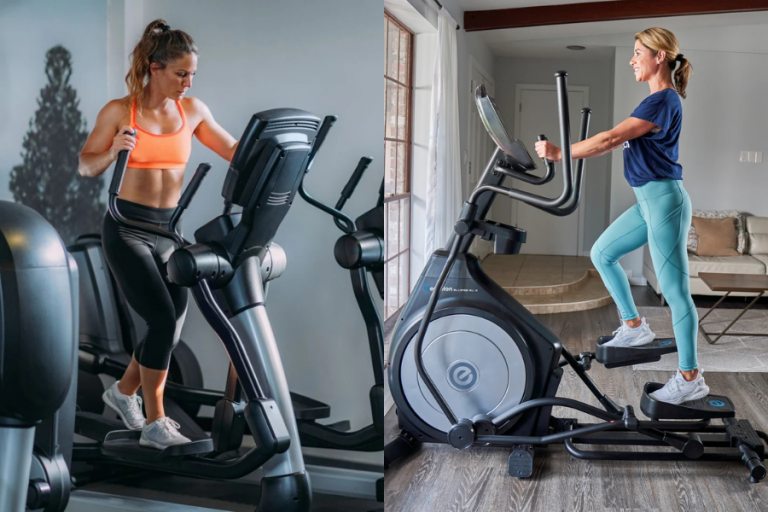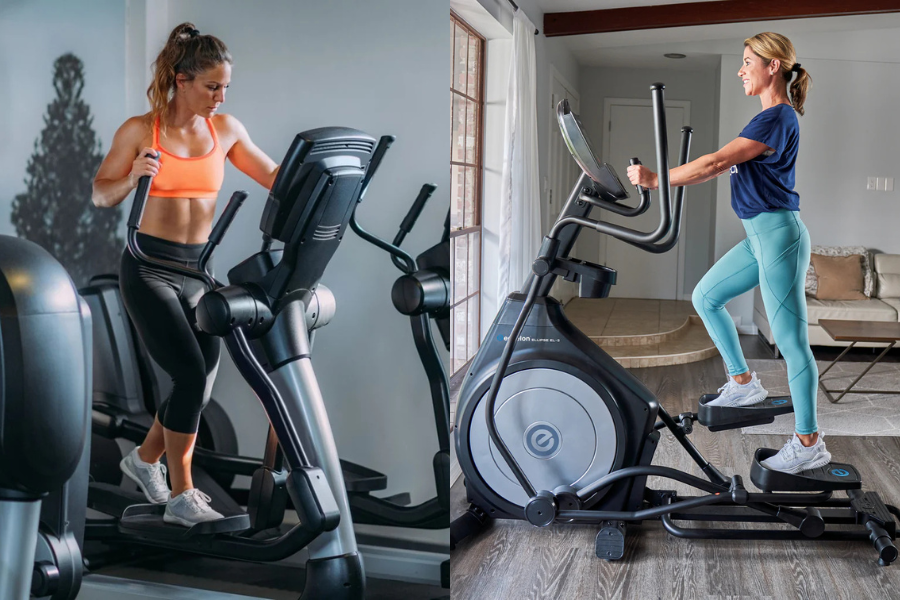
Elliptical cardio workouts make it easier to get your heart rate up, protect your joints, and see steady progress without spending hours at the gym. Whether your goal is weight loss, better stamina, or simply feeling healthier day to day, an elliptical can fit into your routine with surprisingly little friction.
Below, you will find simple, realistic elliptical cardio workouts you can start this week, along with tips to adjust them to your fitness level.
Why elliptical cardio workouts are worth your time
If you have ever skipped running because of sore knees or a stiff back, an elliptical can be a smart alternative. Your feet stay planted on the pedals, which reduces impact on your ankles, knees, and hips compared with running on a treadmill or pavement (Healthline). That low impact is especially helpful if you live with arthritis, past injuries, or general joint pain (Healthline).
Despite the gentler feel, elliptical cardio workouts can be just as effective for your heart and lungs as treadmill workouts. Research shows heart rate, oxygen use, and calorie burn can be nearly identical between the two when you match intensity (Healthline).
You also get more muscles involved at once. When you use the moving handles and keep your core engaged, you work your:
- Glutes, quads, hamstrings, and calves
- Chest, back, shoulders, biceps, and triceps
- Core muscles that support balance and posture
This full body involvement can help you burn more calories in less time and build overall strength as you train (Healthline, Garage Gym Reviews).
How elliptical workouts support weight loss
Elliptical cardio workouts are not a magic solution, but they can be a powerful tool in a realistic weight loss plan.
A 30 minute elliptical session can burn roughly 270 to 400 calories, depending on your weight, pace, and incline settings (Healthline). Some estimates for moderate effort put a 150 pound person at around 170 calories in 30 minutes and 340 calories in an hour (Lose It!).
The American Council on Exercise suggests aiming to burn at least 250 calories per day through exercise, combined with a daily calorie deficit of 500 to 1,000 calories from food and movement. This combination can support a steady loss of about 1 to 2 pounds per week (Lose It!).
One practical way to do that is:
30 minutes on the elliptical, five days per week, paired with a healthy, slightly lower calorie eating plan can help you approach that 1 to 2 pound per week range (Lose It!).
High intensity interval training, or HIIT, can bump that calorie burn even higher in a shorter window. On an elliptical, HIIT means alternating short bursts of hard effort with easier recovery periods while you keep moving. This type of workout has been shown to increase calorie burn and improve cardiorespiratory fitness, and it still stays low impact on your joints (CNET, SOLE Fitness, Lose It!).
Get started safely on the elliptical
If the elliptical motion feels a bit awkward at first, you are not alone. There is a brief learning curve, and it is worth taking your time to get comfortable.
Start by stepping onto the machine and holding the stationary handles until you find your balance. Begin pedaling forward at a slow pace. Once you feel steady, you can move your hands to the moving handles and let your arms and legs move together.
Pay attention to:
- Posture: Stand tall, keep your chest open, and look ahead instead of down.
- Core: Gently brace your midsection, as if you are zipping up a snug jacket.
- Shoulders: Keep them relaxed and down, not hunched toward your ears.
Good posture helps you avoid strain and ensures you are getting a true full body workout, not just a leg exercise (CNET).
If you feel unsure about form or machine settings, ask a certified personal trainer or gym staff member to walk you through the basics. A short tutorial can make your workouts more effective and comfortable from day one (Healthline).
Simple beginner friendly routine
When you are new to elliptical cardio workouts, your main goals are to get used to the motion, build consistency, and finish each session feeling like you could do just a little bit more.
Try this 20 minute starter workout two or three times per week:
-
Warm up, 5 minutes
Pedal forward at very light resistance. Aim for an easy pace where you can talk in full sentences. -
Steady work, 10 minutes
Increase resistance slightly so your breathing picks up. You should still be able to talk, but conversation will feel more effortful. Stay here without major changes. -
Cool down, 5 minutes
Lower the resistance back down and slow your pace. Let your heart rate gradually come back toward resting.
For your first week or two, keep intensity in a comfortable range, roughly 60 to 70 percent of your maximum heart rate if you like using heart rate as a guide (Set For Set). Over time, you can lengthen the steady portion up to 20 or even 30 minutes as your stamina improves.
If you prefer a simple week-by-week target, many experts suggest working up to 150 minutes of moderate activity per week. You could reach this with five 30 minute elliptical sessions or four 45 minute sessions, combined with strength training on other days to support your metabolism (Garage Gym Reviews).
Intermediate steady state workout to build endurance
Once you are comfortable with basic 20 minute sessions, you can move to a 30 minute steady state workout. This is ideal on days when you want a clear, straightforward plan without a lot of intervals to track.
Here is one structure you can follow:
-
Warm up, 5 minutes
Easy pace, low resistance. Feel your muscles loosen and your breathing gradually deepen. -
Main set, 20 minutes
Set your resistance so you are working at a moderate intensity. You can speak in short phrases, but singing or long sentences are tough. Maintain this level consistently. If your machine has programs, a rolling hill or fat burn setting can provide gentle variation without large spikes. -
Cool down, 5 minutes
Gradually dial resistance down every minute or two until you are back at a very easy pace.
This type of workout trains your heart, lungs, and leg muscles to handle sustained effort. It also counts fully toward the 150 minutes per week that organizations like the American Council on Exercise and American Heart Association recommend for health and weight management (Garage Gym Reviews, Lose It!).
Fat burning HIIT workout for busy days
On days when you are short on time or want to challenge yourself, a HIIT style elliptical workout can give you a lot of benefit in as little as 20 to 30 minutes.
Before you start, be sure you already feel solid with basic workouts and have no medical reason to avoid high intensity exercise. If in doubt, check with a healthcare professional first.
Here is a 25 minute example to try:
-
Warm up, 5 minutes
Start with an easy pace and low resistance. Toward the end of the warm up, gradually increase to a light moderate level. -
Intervals, 15 minutes
Alternate between:
-
1 minute hard effort at a higher resistance or faster pace, where talking is difficult and you are working at about 80 to 90 percent of your max heart rate.
-
1 minute easy recovery at low to moderate resistance, where your breathing settles.
Repeat this 1:1 pattern for 7 or 8 rounds, depending on how you feel.
- Cool down, 5 minutes
Reduce resistance, slow your pace, and let your heart rate come back down.
You can adjust the work and rest times as needed. Some people like a 2:1 ratio of harder effort to recovery once they are fitter. For example, 40 seconds hard followed by 20 seconds easy, repeated across 20 minutes is another option recommended for fat loss on the elliptical (Healthline, CNET).
Studies and expert reviews suggest that HIIT sessions on the elliptical can burn more calories in a shorter window and keep your metabolism elevated after you finish, often matching or beating longer moderate paced workouts for fat loss (Garage Gym Reviews, SOLE Fitness).
Use resistance, incline, and direction to challenge muscles
One reason elliptical cardio workouts stay interesting is that a small tweak in your settings can change which muscles work hardest.
If your machine has adjustable resistance and incline, here are simple ways to use them:
- Increase resistance to mimic moving through heavy sand or uphill. This forces your glutes, quads, and hamstrings to work harder and can improve strength and calorie burn at any speed (CNET, SOLE Fitness).
- Add incline to simulate climbing. Higher inclines emphasize your glutes and calves and can raise your heart rate even if your speed does not change (Set For Set).
- Pedal backward for a few minutes at a time. This shifts more of the load to your hamstrings and glutes and gives your quads a different type of work, which can create a more balanced leg workout (Healthline, CNET).
If you want one simple structure that uses all of these, try a 30 minute “hill” workout:
- 5 minutes easy warm up
- 5 minutes at moderate resistance, low incline
- 5 minutes at moderate resistance, moderate incline
- 5 minutes at higher resistance, higher incline
- 5 minutes at moderate resistance, backward pedaling
- 5 minutes easy cool down
This kind of variety keeps your muscles guessing and can prevent boredom from doing the same pattern every time (Set For Set).
How often and how long you should use the elliptical
How long you stay on the elliptical depends on your fitness level, schedule, and goals.
General guidelines from trainers and health organizations suggest:
- Beginners may start with 15 to 20 minutes per session.
- As you adapt, 30 minute sessions are a solid middle ground for health and weight loss.
- More experienced exercisers can safely work up to 45 to 60 minute workouts, especially if they prefer moderate steady state over HIIT.
In terms of weekly totals, you might aim for:
- 150 to 200 minutes per week to support losing 5 to 10 pounds.
- 250 to 300 minutes per week if you would like to lose 20 to 30 pounds, assuming you are also adjusting your nutrition (SOLE Fitness).
Consistency matters more than perfection. Using the elliptical at least five days per week helps you create a steady calorie deficit while still leaving room for rest and recovery (SOLE Fitness).
Pay attention to how your body feels. Mild muscle fatigue is normal, but sharp pain or joint discomfort is a sign to reduce intensity, shorten your workout, or take a rest day.
Small tweaks that make every workout count
Once you have a basic routine in place, a few small habits can make each elliptical session more effective:
- Use the moving handles instead of leaning on the stationary ones so you actively work your upper body.
- Keep your grip light. Let your arms push and pull, but avoid death gripping the handles.
- Check in with your posture a few times per workout to make sure you are not slumping.
- Change one variable at a time, such as adding three extra minutes, a slight resistance bump, or one more interval, so you can track progress.
- Pair your workouts with enough sleep, hydration, and consistent meals, since these all influence weight loss and energy levels (Garage Gym Reviews).
If you are tracking heart rate, the American Heart Association suggests keeping it between 50 and 70 percent of your max heart rate for moderate sessions and 70 to 85 percent for more vigorous work. This range supports calorie burn and cardiovascular health without tipping into overtraining (Lose It!).
Putting it all together
Elliptical cardio workouts give you a joint friendly way to burn calories, strengthen your heart and lungs, and involve your whole body at once. With a few simple routines and small adjustments to resistance, incline, and interval structure, you can match your workouts to your current fitness level and weight loss goals.
Choose one workout from above, schedule it into your week, and focus on finishing it at a pace that feels challenging but doable. As that starts to feel easier, add time, intensity, or one more workout per week. Over time, those small steps can add up to noticeable changes in your fitness, energy, and confidence.
About the Author