A low carb diet meal prep routine can make weight loss feel easier and more predictable. Instead of scrambling for something to eat when you are starving, you have ready-made meals that fit your goals, keep you full, and save you time on busy days.
Below, you will find simple, practical tips to help you plan, shop, and cook low carb meals for the week without living in the kitchen.
Understand what “low carb” really means
Before you start meal prepping, it helps to know what you are aiming for. Low carb does not mean zero carb. It usually means you limit carbohydrates and focus on lean protein, healthy fats, and non starchy vegetables.
Many low carb meals fall around 15 grams of carbs or less per serving, which aligns with common plans like Atkins, paleo, Whole30, and keto, all of which prioritize vegetables, protein, and good fats over refined grains and sugar (Food Network). Low carb diets typically provide somewhere between 20 and 130 grams of carbs per day, depending on your goals and how strict you want to be (Healthline).
Instead of only looking at total carbs, you can also watch your net carbs. You calculate net carbs by subtracting fiber from total carbohydrates. Fiber does not raise your blood sugar, so net carbs give you a more accurate picture of the carbs that truly impact your body (Healthline).
Set clear, realistic goals
Your low carb diet meal prep will work better if you decide ahead of time what you want from it. Ask yourself a few quick questions.
Are you trying to lose weight quickly, ease into a healthier routine, or manage blood sugar more steadily throughout the day. A strict phase for fast weight loss might sit closer to the lower end of that 20 to 130 grams per day range, while a more moderate approach gives you room for a few extra carbs and more flexibility (Healthline).
Next, decide how many meals you actually need to prep. If dinners are your trouble spot, start there instead of trying to overhaul breakfast, lunch, and dinner all at once. The more realistic your plan is, the more likely you are to stick with it.
Stock your kitchen with low carb staples
A well stocked kitchen makes low carb diet meal prep feel straightforward instead of stressful. When you keep the right ingredients on hand, you can mix and match quickly without running to the store.
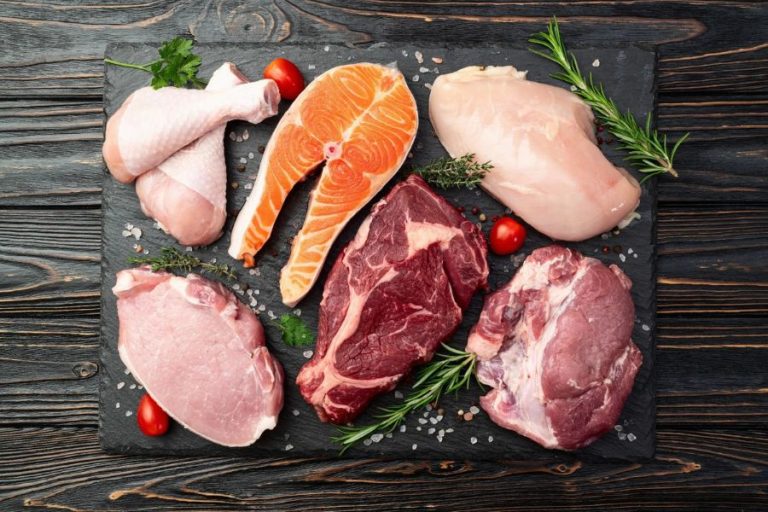
Focus on a mix of proteins, vegetables, and healthy fats. Helpful staples include eggs, chicken, beef, fish, leafy greens, low carb vegetables like cauliflower, zucchini, and broccoli, and fats such as avocado, nuts, and olive oil (2 Guys With Knives). These foods give you a solid base for breakfasts, lunches, and dinners.
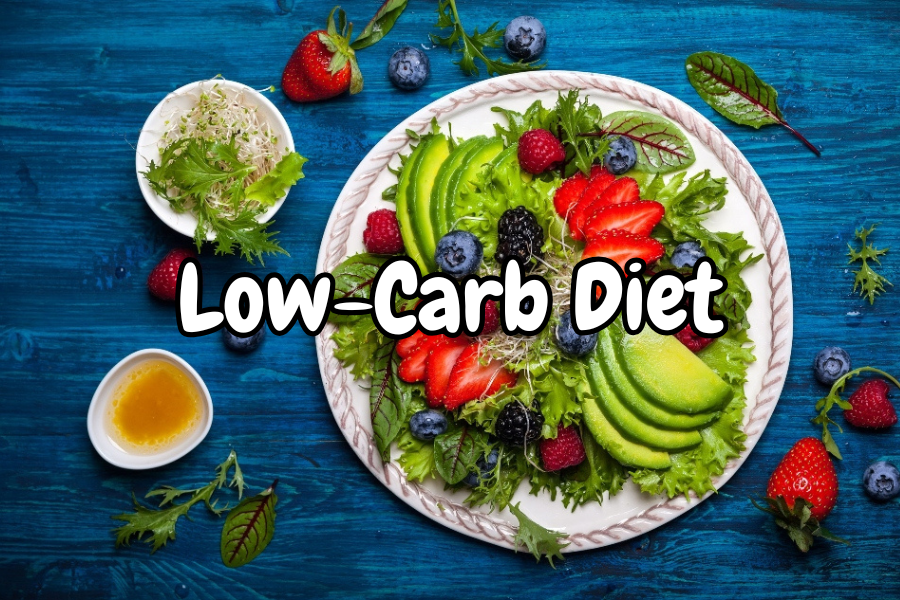
You can round things out with complex, low carb sources of carbohydrates like non starchy vegetables and low sugar fruits. Non starchy vegetables such as greens, avocado, tomatoes, and non tropical fruits like berries and citrus provide fiber, vitamins, and minerals without a heavy carb load (Food Network).
Plan simple, repeatable meals
Meal prep is not about cooking a different gourmet recipe every day. It works best when you pick a few simple, repeatable meals that you actually enjoy and can make in bulk.
To avoid feeling overwhelmed, start with very basic recipes, like grilled chicken, stir fried vegetables, or omelets with greens. Focus on dishes you can prepare with just a few ingredients and cook in larger batches (2 Guys With Knives).
You might plan one base breakfast, two options for lunch, and two dinners that you rotate during the week. This keeps your grocery list short and your routine manageable, without feeling like you are eating the exact same plate every day.
A basic weekly plan is far better than a “perfect” plan you never follow.
Follow a “power hour” prep routine
If you dread spending all day cooking, try a focused one to two hour prep block. The Kitchn outlines a “Power Hour” style routine that helps two adults prep a week of low carb breakfasts, lunches, and dinners in under two hours by prioritizing tasks and multitasking while things bake or simmer (The Kitchn).
The idea is to start with the items that take the longest, such as casseroles or baked proteins. While those are in the oven, you can chop vegetables, cook a quick skillet meal, or assemble salads. By the end, most of what you need for the week only requires reheating or quick assembly.
The benefit for you is almost no cooking on busy weeknights. When you come home, you can grab a prepped container, warm it up, and know your meal fits your low carb goals.
Build a low carb breakfast base
Breakfast can set the tone for the rest of your day. A high carb breakfast can leave you hungry by mid morning, while a low carb, protein rich option helps you feel full and focused.
One efficient option is a veggie egg casserole. You can whisk eggs with chopped vegetables and bake them in a dish, then pair slices of the casserole with sliced avocado for extra healthy fats. This type of breakfast is rich in protein, good fats, and vegetables, and can last two adults through Friday when prepped in advance (The Kitchn).
You can also make egg and veggie muffins in a muffin pan. These individual portions freeze well and reheat quickly, making them another handy grab and go option for busy mornings (Berry Street).
Prep satisfying low carb lunches
A good low carb lunch should keep your energy steady and help you avoid afternoon cravings. High protein, low carb meal prep lunches do this by supporting lean muscle and providing lasting fullness (Berry Street).
One smart approach is using lettuce wraps and hearty salads. For example, you can alternate between tuna salad in crisp lettuce cups and tuna salad served over an arugula and fennel salad with sliced hard boiled eggs. This gives you variety without extra cooking, while keeping lunch firmly in the low carb zone (The Kitchn).
Another easy idea is cauliflower rice bowls topped with grilled chicken, shrimp, or salmon and roasted vegetables. Cauliflower rice provides fiber with far fewer carbs than regular rice, and these bowls reheat well throughout the week (Berry Street, Food Network).
Make weeknight dinners nearly effortless
When you are tired at the end of the day, convenience tends to win. This is where low carb diet meal prep really shines. If dinner is mostly ready, you are far less likely to grab high carb takeout.
For example, you can prep a chicken taco chili over the weekend. During the week, you can reheat the chili and serve it with a simple arugula and fennel salad. On alternate nights, you might have beef and broccoli Buddha bowls inspired by takeout. Both options can be cooked ahead and simply warmed up or assembled after work (The Kitchn).
Casseroles and sheet pan dinners are also helpful. Chicken and broccoli casseroles, shrimp with zucchini noodles, and turkey spinach meatballs freeze well and give you ready to bake meals that fit your low carb goals (Berry Street).
Batch cook proteins and vegetables
Batch cooking means making larger amounts of a few key ingredients, then using them in multiple meals. This method is especially helpful for low carb meal prep because protein and vegetables are your main building blocks.
You can grill a tray of chicken breasts, roast a big sheet pan of vegetables, or cook a loaf pan of marinated chicken thighs, which you can then slice for wraps or bowls throughout the week (2 Guys With Knives, Food Network).
Cooking this way saves time and makes your meals feel varied. The same grilled chicken can top a salad one day, fill lettuce wraps the next, and anchor a cauliflower rice bowl later in the week.
Watch your portions and storage
Even with low carb food, portion size still matters for weight loss. Dividing your meals into single servings ahead of time helps prevent overeating and makes it easier to track what you are eating.
Most high protein, low carb meal preps stay fresh in the fridge for three to four days, and some baked meats or casseroles last up to five days. When you reheat meals, adding a little broth, sauce, or olive oil can help keep them moist and flavorful (Berry Street). If you prefer extra structure, you can also buy pre portioned low carb meals that include macro tracking for convenience (2 Guys With Knives).
Clear containers, labels, and a simple system, like keeping lunches on one shelf and dinners on another, make it easy to grab what you need without thinking too hard.
Choose carbs wisely and avoid common pitfalls
Not all carbs are equal. For low carb diet meal prep, it helps to know what to limit and what to keep in your routine.
High carb foods that can quickly push you over your daily target include bread and grains, pasta, starchy vegetables, sugary cereals, sweetened yogurt, juice, and processed snack foods like chips and crackers (Healthline). Refined grains such as traditional bread, pasta, bagels, and crackers can spike your blood sugar, so it is better to avoid them or use low carb alternatives when possible (LowCarb Avenue).
Many fruits are also high in natural sugars. Tropical fruits like bananas, mangoes, grapes, and pineapples are best limited on a low carb plan, while berries such as strawberries, blackberries, and raspberries are more suitable low sugar options (LowCarb Avenue).
Starchy vegetables such as potatoes, sweet potatoes, carrots, and beets carry more carbs, so try to base most of your meals around leafy greens, broccoli, cauliflower, zucchini, and mushrooms instead (LowCarb Avenue).
Sugary drinks are another common pitfall. Sodas, sweetened teas, energy drinks, and fruit juices add a lot of sugar very quickly. Replacing these with water, herbal tea, black coffee, or flavored sparkling water without added sugar will support your low carb goals. You can also make low carb smoothies with unsweetened almond milk and small amounts of berries for a treat (LowCarb Avenue).
Finally, be cautious with “diet” and “low fat” products. Many contain hidden sugars and starches. Look for options with fewer than 5 grams of net carbs per serving and no added sugars or starch based sweeteners when possible (LowCarb Avenue).
Keep your dressings and sauces low carb
Dressings and sauces can quietly add a lot of carbs to otherwise low carb meals. Many fat free or low fat dressings rely on sugar or starch to improve flavor and texture, which can undermine a low carb plan.
You can avoid this by making simple vinaigrettes at home with extra virgin olive oil and vinegar. This keeps your salads and bowls aligned with your goals and adds healthy fats that help you stay full (Healthline).
You can also flavor your meals with herbs, spices, and low sugar condiments. A little planning at this step can make your prepped meals feel more exciting and enjoyable.
Put it all together
Low carb diet meal prep does not have to be complicated. When you understand what low carb means, stock your kitchen with smart staples, and follow a simple weekly routine, you give yourself a clear path toward quicker weight loss and better daily energy.
Start small. Maybe you prep one veggie egg casserole and a tray of grilled chicken this week. Notice how much easier it feels to stay on track when your meals are already waiting for you. From there, you can add more recipes, adjust your carb target, and build a meal prep routine that fits your life for the long term.
About the Author