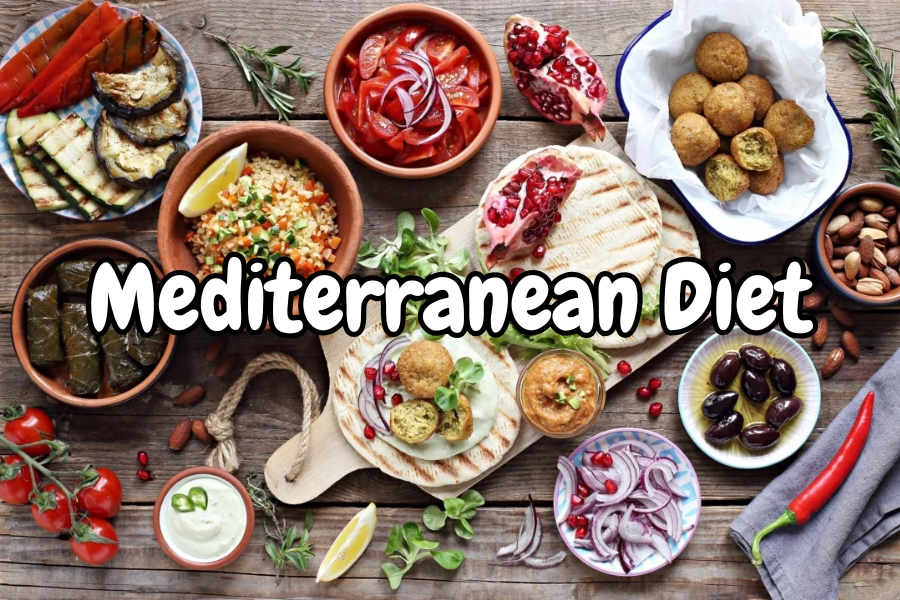
A Mediterranean diet and diabetes management go hand in hand. By focusing on whole, minimally processed foods, healthy fats, and fiber-rich carbohydrates, this way of eating can help you stabilize blood sugar, support weight loss, and protect your heart at the same time.
Below, you will see how the Mediterranean diet works, what the science says about diabetes and prediabetes, and how you can start using it in your own kitchen without feeling deprived.
Understand the Mediterranean diet basics
The Mediterranean diet is less of a strict plan and more of a pattern you adapt to your life. It is inspired by traditional eating habits in countries that border the Mediterranean Sea.
You will base most of your meals on:
- Vegetables and fruits
- Whole grains like oats, brown rice, and whole wheat
- Legumes, including beans, lentils, and chickpeas
- Nuts and seeds
- Olive oil as your main added fat
- Fish and seafood several times a week
- Moderate amounts of poultry, eggs, and fermented dairy like yogurt
You will limit:
- Sugary drinks and sweets
- Refined grains such as white bread and pastries
- Processed meats and frequent red meat
- Heavy, high fat dairy products
This blend of high fiber foods, plant based fats, and lean protein is exactly what helps your body handle blood sugar more smoothly.
See how it supports blood sugar control
If you live with diabetes or prediabetes, one of your goals is to avoid large swings in blood sugar. The Mediterranean diet helps you do that in a few overlapping ways.
Fiber slows the rise in blood sugar
High fiber foods are a cornerstone of this pattern. Whole grains, legumes, fruits, and vegetables slow digestion so that glucose enters your bloodstream more gradually instead of all at once. EatingWell highlights that these fiber rich staples reduce blood sugar spikes, which is key for steady control in diabetes management (EatingWell).
That slower release helps you feel full longer, which can make it easier to reduce portions and lose weight without feeling like you are constantly hungry.
Healthy fats improve insulin sensitivity
Olive oil, nuts, seeds, and fatty fish supply mostly unsaturated fats. These fats support cell membranes, reduce inflammation, and help your body respond better to insulin. The Mayo Clinic Diet notes that by focusing on healthy fats and fiber rich carbs, the Mediterranean diet can improve insulin sensitivity and reduce inflammation in people with type 2 diabetes or prediabetes (Mayo Clinic Diet).
Better insulin sensitivity means your body can move glucose from the blood into your cells more effectively, so you are less likely to see chronically high readings.
Low glycemic carbs help prevent spikes
Instead of cutting carbohydrates almost completely, you choose quality ones. The Mayo Clinic Diet explains that the Mediterranean pattern emphasizes low glycemic carbohydrates that slow glucose absorption and curb post meal blood sugar spikes (Mayo Clinic Diet).
In practical terms, that looks like swapping:
- White bread for whole grain bread
- Sugary cereal for oats
- White rice for brown or wild rice
- Sweets for fruit with nuts or yogurt
You still enjoy carbs, but in forms that are kinder to your blood sugar.
Review what the research actually shows
You do not have to rely only on theory. There is a solid and growing body of research on the Mediterranean diet and diabetes.
Help for existing type 2 diabetes and prediabetes
Clinical trials and reviews suggest that this way of eating can make a measurable difference in blood sugar numbers and longer term markers.
- The Mayo Clinic Diet highlights evidence that the Mediterranean diet improves blood sugar control, supports better insulin sensitivity, and reduces inflammation in people with type 2 diabetes or prediabetes (Mayo Clinic Diet).
- A meta analysis of randomized controlled trials up to 2025 found that a Mediterranean style diet lowered blood glucose in people with metabolic syndrome by an average of about 4 mg/dL, and also reduced insulin levels and insulin resistance scores (MDPI).
In another review, higher adherence to the Mediterranean pattern in people with diabetes was linked with reductions in HbA1c, generally in the range of about 0.3 to 0.5 percentage points, compared with control or low fat diets (Nutrients). While those numbers may sound small, they are clinically meaningful when combined with other lifestyle steps.
Lower risk of developing type 2 diabetes
If you currently have prediabetes or a cluster of metabolic risk factors, this is where the Mediterranean diet and diabetes prevention strongly intersect.
- A large meta analysis including over 120,000 people found that higher adherence to a Mediterranean pattern was associated with a 19 percent lower risk of developing type 2 diabetes over time (Nutrients).
- The well known PREDIMED trial showed that a Mediterranean diet enriched with extra virgin olive oil or nuts reduced the risk of type 2 diabetes by 52 percent in older adults with high cardiovascular risk, compared with a low fat diet (Nutrients).
A more recent extension, the PREDIMED Plus trial, combined a Mediterranean diet with calorie reduction and activity guidance in adults with metabolic syndrome. After about six years, the group that followed the full lifestyle program had a 31 percent lower risk of developing type 2 diabetes than the group that simply followed a Mediterranean diet without specific calorie or exercise goals (Harvard T.H. Chan School of Public Health).
Those results suggest that your everyday food pattern, especially when paired with moderate exercise and weight management, can have a powerful preventive effect.
Mediterranean versus ketogenic for diabetes
You may wonder how the Mediterranean diet compares with a ketogenic diet, since keto is often promoted for blood sugar control.
A Stanford Medicine trial looked at people with type 2 diabetes or prediabetes and compared a Mediterranean diet with a well formulated ketogenic diet. Both approaches:
- Improved blood glucose control
- Led to similar weight loss, about 7 to 8 percent
- Improved fasting insulin and several cholesterol measures (Stanford Medicine)
However, there were some important differences:
- LDL cholesterol rose on the keto diet but fell on the Mediterranean diet, which suggests a heart health advantage for the Mediterranean pattern.
- Participants found the Mediterranean diet easier to follow long term, while adherence to keto dropped once prepared foods were no longer provided (Stanford Medicine).
- Researchers concluded there was no added overall health benefit to cutting out legumes, fruits, and whole grains the way keto does, particularly for diabetes management (Stanford Medicine).
For you, that means you can likely get equal blood sugar benefits, better heart protection, and more flexibility with a Mediterranean style plan.
Support healthy weight loss without extremes
Weight loss, even in modest amounts, can significantly improve blood sugar and insulin sensitivity. The Mediterranean diet can help here too, especially when you pay attention to portions.
EatingWell describes a sample 7 day Mediterranean meal plan at around 1,200 calories per day, designed to help people with type 2 diabetes lose about 1 to 2 pounds per week, with options to adjust to 1,500 or 2,000 calories depending on your needs (EatingWell). It relies on:
- Volume from vegetables and whole grains so you feel full
- Healthy fats for satisfaction
- Lean protein to protect muscle while you lose fat
The PREDIMED Plus trial showed that when a Mediterranean diet is paired with gentle calorie reduction and more movement, people can lose and keep off weight over many years. Participants lost an average of about 3.3 kilograms and reduced waist circumference by about 3.6 centimeters over six years, compared with far smaller changes in the control group (Harvard T.H. Chan School of Public Health).
You are not required to count every calorie to benefit, but being mindful of portions and choosing mostly whole foods makes it easier to eat less without feeling restricted.
Think of the Mediterranean diet less as a “diet” and more as a long term template. It is a way of cooking and eating that you can slowly shape around your preferences and cultural foods, instead of an all or nothing set of rules.
Protect your heart while you manage diabetes
Diabetes significantly raises your risk of heart disease, so any eating pattern you choose should protect your heart as well as your blood sugar. The Mediterranean diet is particularly strong in this area.
EatingWell notes that its emphasis on unsaturated fats from olive oil, nuts, seeds, and fish, and its limits on sweets, refined grains, red meat, and high fat dairy, make it heart healthy for people with diabetes (EatingWell). Trials have shown improvements in:
- LDL cholesterol
- HDL cholesterol
- Triglycerides
- Markers of inflammation
The Stanford trial mentioned earlier found that LDL cholesterol actually increased on keto, but decreased on the Mediterranean diet in people with type 2 diabetes or prediabetes (Stanford Medicine). That matters because lower LDL is associated with lower risk of heart attacks and strokes.
For you, this means you are not trading one risk for another. You can aim for better blood sugar control and better cardiovascular health at the same time.
Start using the Mediterranean diet for diabetes today
You do not need to overhaul everything at once. Small, consistent shifts add up. Here are some simple places to begin.
Make a few smart swaps
Pick one or two meals you eat often and adjust them in a Mediterranean direction.
For example, you could:
- Replace white toast at breakfast with whole grain toast topped with avocado and a boiled egg.
- Trade a deli sandwich and chips for lentil soup, a side salad, and a slice of whole grain bread.
- Swap a red meat dinner for grilled salmon or baked cod with roasted vegetables and quinoa.
- Choose fruit with a handful of nuts instead of cookies for an afternoon snack.
Each change moves you toward more fiber, more healthy fats, and a steadier blood sugar response.
Build your plate with a simple formula
At lunch or dinner, try this easy mental framework:
- Half your plate vegetables, ideally a mix of colors.
- One quarter lean protein, such as fish, beans, tofu, or poultry.
- One quarter whole grains or starchy vegetables, such as brown rice, barley, or sweet potato.
- A drizzle of olive oil or a sprinkle of nuts or seeds for flavor and healthy fat.
This combination naturally reflects the Mediterranean pattern and helps you avoid overloading on any single part of the meal.
Plan for treats without guilt
A Mediterranean style diet does not ban sweets or richer foods, it simply treats them as sometimes choices. You might decide that you will enjoy dessert a couple of times per week, but you will make it a small portion and pair it with a balanced meal.
This flexible approach is one reason many people find the Mediterranean diet easier to stick with long term, compared with strict low carb or highly restrictive plans (Stanford Medicine).
Key takeaways
- The Mediterranean diet and diabetes management work well together, because this pattern emphasizes fiber rich carbs, healthy fats, and lean protein that support gentle blood sugar responses.
- Research links a Mediterranean style diet with lower risk of developing type 2 diabetes, better HbA1c and fasting glucose in those who already have it, and improved insulin sensitivity (Nutrients, MDPI, Mayo Clinic Diet).
- Compared with very low carb diets, the Mediterranean approach offers similar blood sugar and weight benefits, but better heart markers and easier long term adherence (Stanford Medicine).
- When you combine a Mediterranean diet with moderate calorie reduction and regular activity, you can significantly reduce your risk of progressing from metabolic syndrome or prediabetes to type 2 diabetes (Harvard T.H. Chan School of Public Health).
You can start today by choosing one meal to “Mediterraneanize.” Add an extra serving of vegetables, swap in whole grains, or cook with olive oil. From there, keep layering in small changes until this way of eating feels like your new normal.
About the Author