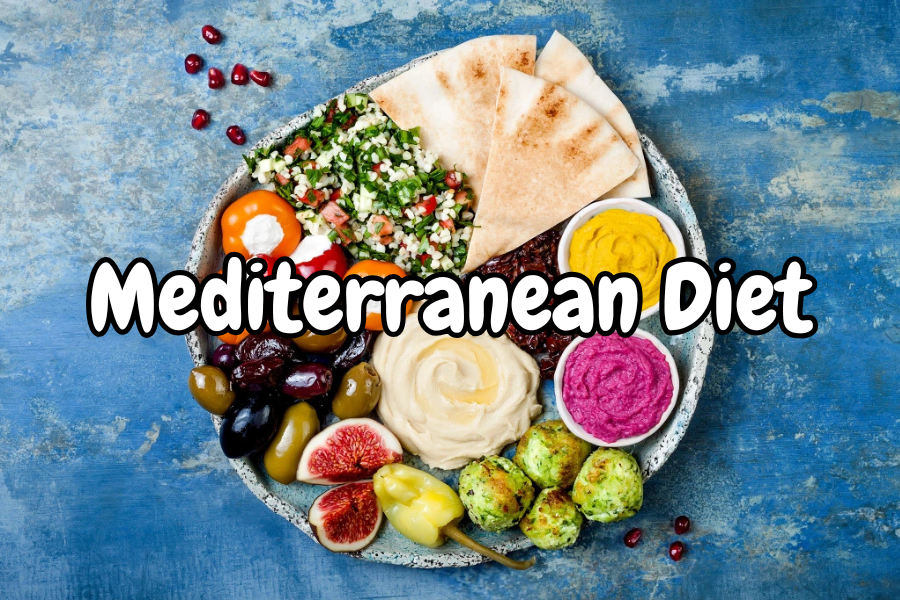
A Mediterranean diet meal plan is more than a list of foods. It is a pattern of eating that centers on plants, healthy fats, and simple home cooking, and it can fit your life without counting every calorie. When you follow a Mediterranean diet meal plan, you focus on what you can enjoy, not what you have to avoid, while supporting your heart, brain, and long term health.
Below, you will see how this style of eating works, why it is so well researched, and how you can start using it right away, even if you are new to meal planning.
Understand the Mediterranean diet basics
The Mediterranean diet is based on traditional eating patterns from countries around the Mediterranean Sea. It emphasizes whole, minimally processed foods and healthy fats instead of rigid rules or strict formulas.
According to the Cleveland Clinic, the Mediterranean Diet focuses on plant based foods like vegetables, fruits, and whole grains, with extra virgin olive oil as the main source of healthy fat, and looks at your overall eating pattern instead of a set menu you must follow every day (Cleveland Clinic).
In practical terms, your Mediterranean diet meal plan will usually feature:
- Plenty of vegetables and fruits
- Whole grains such as oats, quinoa, brown rice, and whole wheat bread
- Beans, lentils, and other legumes
- Nuts and seeds
- Extra virgin olive oil as your primary fat
- Fish and seafood regularly
- Smaller amounts of poultry, eggs, and fermented dairy like yogurt or cheese
- Only occasional red meat and sweets
UC Davis Health notes that this way of eating is well researched and is associated with a reduced risk of chronic diseases such as heart disease because it combines many protective nutrients in one pattern (UC Davis Health).
See how a meal plan boosts your health
You might wonder why you should follow a Mediterranean diet meal plan instead of just picking a few Mediterranean recipes here and there. A plan helps you create a consistent pattern, which is where the real health benefits show up.
Support your heart and circulation
The Mediterranean diet is widely recognized for heart protection. The Cleveland Clinic reports that this style of eating can lower the risk of cardiovascular disease by combining fiber rich plant foods, healthy fats, and limited intake of processed foods and unhealthy fats (Cleveland Clinic).
Healthy fats from extra virgin olive oil, nuts, and seeds replace saturated fats from butter and processed snacks. EatingWell highlights that using plant based oils such as extra virgin olive oil, canola oil, and avocado oil in place of butter can lower bad cholesterol and improve heart health, especially when paired with nuts as regular snacks (EatingWell).
Protect your brain and aging
Research cited by EatingWell shows that a Mediterranean style eating pattern is linked to better brain health and fewer signs of Alzheimer’s disease in older adults, which helps explain why it has ranked as one of the best diets for many years (EatingWell).
Extra virgin olive oil, recommended specifically for its antioxidants and healthy fat ratio, appears to help protect both heart and brain, and may reduce inflammation in the body (Cleveland Clinic).
Support weight management without strict rules
If you want to lose weight, a Mediterranean diet meal plan can help without feeling like a crash diet. UC Davis Health notes that this pattern can support potential weight loss while improving overall well being, especially when it replaces foods high in unhealthy fats, sugars, and sodium that are often tied to heart disease and type 2 diabetes (UC Davis Health).
EatingWell describes a beginner friendly 7 day Mediterranean diet meal plan that starts around 1,200 to 1,400 calories per day with higher calorie options available. It repeats some breakfasts and lunches, relies on leftovers, and uses recipes with short ingredient lists to make it easier to stick with healthy eating over time (EatingWell).
Know what to eat more and less often
You do not need a complicated chart to follow the Mediterranean diet, but it helps to have a clear mental picture of what belongs on your plate most days.
EatingWell suggests a simple ratio for a Mediterranean style plate: half fruits and vegetables, one quarter whole grains, and one quarter lean protein (EatingWell). You can use that as a guide at home and when you eat out.
Here is how that looks in practice:
- Fill at least half your plate with colorful vegetables and some fruit, fresh, frozen, or canned without added sugar or salt all work
- Choose whole grains like quinoa, bulgur, barley, brown rice, or whole wheat pasta instead of refined grains
- Add lean protein from fish, seafood, beans, lentils, or smaller amounts of poultry or eggs
- Cook with extra virgin olive oil and flavor food with herbs, spices, lemon, garlic, and vinegar instead of heavy sauces
UC Davis Health recommends that foods high in unhealthy fats, sugars, and sodium, such as processed meats, sugary snacks, and fast food, should be eaten less often or in small portions if you are following a Mediterranean diet (UC Davis Health).
Think of your Mediterranean diet meal plan as a sliding scale. The more days your plate looks like this, the more benefits you are likely to see over time.
Build a beginner friendly daily structure
If you prefer a little structure, you can model your day after the meal plans registered dietitians use in research and practice. The Cleveland Clinic highlights that a Mediterranean diet meal plan usually offers diverse breakfast, lunch, dinner, and snack ideas to keep your meals interesting (Cleveland Clinic).
Here is a simple framework you can adapt:
Breakfast
Choose a breakfast that combines whole grains or fruit with protein and healthy fats:
- Oatmeal cooked in water or milk, topped with berries, chopped nuts, and a drizzle of extra virgin olive oil
- Greek yogurt with sliced fruit and a sprinkle of seeds
- Whole grain toast with mashed avocado and a boiled egg
The EatingWell 7 day plan often repeats breakfast options to keep mornings easy and consistent, which you can copy in your own routine (EatingWell).
Lunch
Keep lunch satisfying but not heavy by pairing vegetables, whole grains, and protein:
- Mixed green salad with chickpeas, cucumbers, cherry tomatoes, olives, feta, and olive oil vinaigrette
- Leftover grilled fish or chicken served over quinoa with roasted vegetables
- Whole wheat pita stuffed with hummus, shredded lettuce, and sliced peppers
It is perfectly fine to eat the same lunch multiple days in a row. EatingWell notes that repeating simple lunches and using leftovers can make your meal plan far more realistic to maintain (EatingWell).
Dinner
Dinner can be your most varied meal, but it still follows the same plate ratio:
- Baked salmon with lemon and herbs, roasted Brussels sprouts, and a side of brown rice
- Whole wheat pasta tossed with olive oil, garlic, cherry tomatoes, spinach, and white beans
- Lentil and vegetable stew with a slice of whole grain bread
The Mediterranean Dish points out that a sample 7 day Mediterranean meal plan can serve as a blueprint rather than a rigid rule so you can cycle through favorite dinners that fit your schedule and taste preferences (The Mediterranean Dish).
Snacks
Snacks can help prevent overeating at mealtimes and keep your energy steady. EatingWell underscores that healthy snacking with fresh fruits, vegetables, dairy, and nuts is encouraged in a Mediterranean diet plan (EatingWell).
Examples include:
- An apple or pear with a small handful of almonds
- Carrot sticks with 2 tablespoons of hummus
- Low fat cottage cheese with cucumber slices and spices
- Whole wheat toast with labneh or avocado and smoked salmon, as suggested by The Mediterranean Dish (The Mediterranean Dish)
Stock a Mediterranean friendly kitchen
A well stocked pantry makes it much easier to follow your Mediterranean diet meal plan without constant grocery runs. The Mediterranean Dish notes that you can rely on simple ingredients that are easy to find, such as vegetables, leafy greens, fish, grains, legumes, nuts, and extra virgin olive oil (The Mediterranean Dish).
EatingWell adds that your pantry can include:
- Whole grains like quinoa and bulgur
- Fruits and vegetables in fresh, frozen, or canned forms without added sugars or salts
- Canned or frozen fish that are just as nutritious as fresh
- Moderate dairy such as flavorful cheeses and fermented yogurt
- Nuts, seeds, beans, lentils, herbs, and spices to build flavor and balance (EatingWell)
With these on hand, you can quickly throw together a salad, grain bowl, or simple pasta that fits your plan and keeps you out of the drive through line.
Ease into the Mediterranean diet step by step
You do not need to overhaul your entire kitchen in one weekend. UC Davis Health suggests that starting gradually, with small changes added one at a time, can still lead to meaningful improvements in your health and serve as a gateway to better eating habits (UC Davis Health).
You might start with one or two of these adjustments:
- Swap butter for extra virgin olive oil when you cook or dress salads
- Add one extra serving of vegetables to lunch and dinner
- Plan two fish based dinners this week instead of red meat
- Replace a sugary snack with a handful of nuts and a piece of fruit
- Use whole grain bread or pasta instead of refined versions
Over time, these small shifts become your new normal. Because the Mediterranean diet focuses on inclusion and enjoyment instead of restriction, many people find it more sustainable than diets that rely heavily on counting and cutting.
Bring it all together
A Mediterranean diet meal plan works best when you treat it as a flexible guide. Aim for most of your meals to feature plants, whole grains, lean proteins, and healthy fats, and let occasional treats fit in without guilt.
You support your heart and brain, create a better environment for weight management, and build a way of eating that can last for years, not just a few weeks. Start with one plate today, for example half vegetables, a scoop of whole grains, and a drizzle of olive oil, and you will already be on your way to a more Mediterranean kitchen and a healthier you.
About the Author