A solid intermittent fasting meal plan does more than tell you when to eat. It helps you decide what to put on your plate so you stay full, protect your health, and actually enjoy your food. When you combine a smart 16/8 schedule with balanced meals, you give yourself a realistic way to lose weight and feel better without counting every bite.
Below, you will find a clear explanation of how intermittent fasting works, what to eat in your 8 hour window, and a practical 7 day intermittent fasting meal plan you can start using this week.
Understand how intermittent fasting works
Intermittent fasting is an eating pattern where you cycle between periods of eating and fasting. Instead of focusing on what to eat, it focuses on when you eat. During your fasting window, you only have water and zero calorie drinks like black coffee or plain tea, then you eat your meals within a set eating window later in the day (Johns Hopkins Medicine).
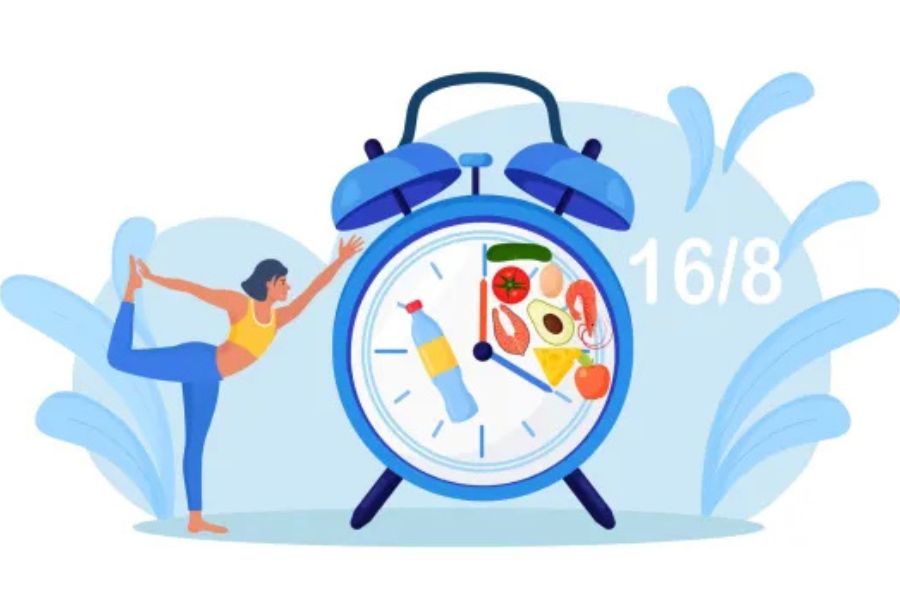
One of the most popular options is the 16/8 intermittent fasting method. With 16/8, you fast for 16 hours and eat during an 8 hour window. For example, you might eat from 12 p.m. to 8 p.m. or from 9 a.m. to 5 p.m. Popular eating windows like these make it easy to skip breakfast or finish eating earlier in the evening, depending on your schedule (Healthline).
During the fasting period you can drink water, black coffee, or plain tea. These help with hydration and can make hunger easier to manage without breaking your fast (Healthline). When your fast ends, you focus on nutrient dense meals instead of using the eating window as a free for all.
Key benefits you can expect
You might be drawn to intermittent fasting for weight loss, but the potential benefits go beyond the scale. The research is still growing, and results can vary, yet several trends show up again and again.
Intermittent fasting, especially the 16/8 style, can help you reduce overall calorie intake simply because you are eating within fewer hours each day. In one review, 11 out of 13 studies found that intermittent fasting led to statistically significant weight loss, which suggests it is a promising approach for many people (Healthline).
By going longer without food, your insulin levels have time to drop, which may improve insulin sensitivity. Better insulin sensitivity is linked to a lower risk of insulin resistance and type 2 diabetes (Berry Street). Intermittent fasting can also support heart health, since studies cited in a 2025 review suggest it may lower LDL (bad) cholesterol and triglycerides, help maintain or increase HDL (good) cholesterol, and reduce certain inflammation markers related to heart disease (Berry Street).
Many people notice non scale benefits as well. After a 2 to 4 week adjustment period, people often report that they feel better overall and find it easier to stick to the routine (Johns Hopkins Medicine).
Choose the right fasting schedule
The best intermittent fasting meal plan is the one that fits your life. If your schedule constantly fights your eating window, you will struggle to stay consistent.
With the 16/8 method, you pick an 8 hour window that works for your daily routine. Common options include 12 p.m. to 8 p.m. or 9 a.m. to 5 p.m. (Healthline). If you like breakfast and go to bed early, 9 a.m. to 5 p.m. could make sense. If you prefer a later dinner, you might shift to 12 p.m. to 8 p.m. instead.
If you are completely new to fasting, you can also ease into 16/8. Berry Street suggests starting slowly, gradually increasing your fasting window instead of jumping into 16 hours on day one. For example, you could begin with a 12 hour fast, then move to 14 hours, then 16 hours as your body adapts (Berry Street).
Another style you might hear about is the 5:2 plan. With 5:2, you eat normally five days per week and then limit yourself to one 500 to 600 calorie meal on two non consecutive days, such as Monday and Thursday (Johns Hopkins Medicine). However, for daily rhythm and habit building, 16/8 is often easier to maintain.
What to eat during your 8 hour window
Your intermittent fasting meal plan matters just as much as your fasting window. Eating whatever you want in your 8 hours will not give you the results you are after. You will feel and perform better if you build meals around whole, minimally processed foods.
Aim for meals that include:
- Lean protein, such as chicken, turkey, eggs, Greek yogurt, tofu, or fish
- Healthy fats, such as avocado, olive oil, nuts, and seeds
- Fiber rich carbohydrates, such as oats, quinoa, brown rice, beans, lentils, and whole grain bread
- Plenty of vegetables and some fruit for vitamins, minerals, and volume
Healthline recommends focusing on nutritious whole foods during your eating window and limiting ultra processed foods like packaged snacks, sugary drinks, and deep fried items (Healthline). Berry Street outlines similar guidance, including meals like scrambled eggs with avocado, grilled chicken salad, salmon with sweet potatoes, and oatmeal with peanut butter as examples of satisfying, nutrient dense options within a 16/8 plan (Berry Street).
During both fasting and eating periods, Johns Hopkins suggests following a Mediterranean style approach overall. That means centering your diet around leafy greens, healthy fats, lean proteins, and whole grains (Johns Hopkins Medicine).
A simple 7 day intermittent fasting meal plan
Use the sample 7 day intermittent fasting meal plan below as a flexible template. The meals are based on the 16/8 method and a noon to 8 p.m. eating window. You can swap similar foods based on your taste, budget, or dietary needs.
If you have a medical condition, take medications, are pregnant, breastfeeding, or have a history of disordered eating, talk with your doctor before starting intermittent fasting.
Day 1
- First meal, around 12 p.m.: Scrambled eggs with spinach and avocado, plus a slice of whole grain toast
- Snack: Greek yogurt with a handful of berries
- Dinner: Grilled salmon, roasted sweet potatoes, and steamed broccoli
- Optional light snack if needed: A small apple with 1 tablespoon peanut butter
Day 2
- First meal: Oatmeal cooked with milk or a milk alternative, topped with peanut butter and sliced banana
- Snack: Carrot sticks and hummus
- Dinner: Grilled chicken salad with mixed greens, cherry tomatoes, cucumber, olive oil, and a piece of whole grain bread
- Optional light snack: A few nuts and a clementine
Day 3
- First meal: Whole grain wrap with turkey or tofu, lettuce, tomato, and avocado
- Snack: Cottage cheese with pineapple or another fruit
- Dinner: Baked cod or another white fish, quinoa, and a side salad with olive oil dressing
- Optional light snack: A square or two of dark chocolate and a handful of almonds
Day 4
- First meal: Two eggs any style, sautéed mushrooms and peppers, and half an avocado
- Snack: A smoothie made with berries, Greek yogurt, and a small handful of oats
- Dinner: Stir fry with lean beef or tempeh, mixed vegetables, and brown rice
- Optional light snack: Sliced pear with a small piece of cheese
Day 5
- First meal: Overnight oats with chia seeds, cinnamon, and sliced strawberries
- Snack: Bell pepper strips and guacamole
- Dinner: Roasted chicken thighs, baked potatoes or sweet potatoes, and green beans
- Optional light snack: A boiled egg or a few slices of deli turkey
Day 6
- First meal: Whole grain toast topped with mashed avocado and a poached egg
- Snack: Greek yogurt with a sprinkle of nuts and seeds
- Dinner: Lentil or chickpea stew with carrots, tomatoes, and spinach, plus a small piece of crusty whole grain bread
- Optional light snack: A small bowl of mixed berries
Day 7
- First meal: Protein rich salad with mixed greens, grilled shrimp or chickpeas, avocado, and olive oil vinaigrette
- Snack: Apple slices with almond or peanut butter
- Dinner: Baked salmon or tofu, wild rice, and roasted Brussels sprouts
- Optional light snack: A small serving of air popped popcorn
You can repeat this structure each week, rotate meals from different days, or build your own combinations as long as you keep the same basic pattern: protein, healthy fat, high fiber carbs, and vegetables.
Practical tips to stay consistent and safe
The first two weeks of intermittent fasting can feel like an adjustment. It is normal to experience some hunger or irritability as your body gets used to a new eating schedule. In many cases, people who push through this period end up feeling better and more energized, and they are more likely to stick with the plan long term (Johns Hopkins Medicine).
Berry Street highlights several tips that can make intermittent fasting safer and more effective (Berry Street):
- Start gradually if a full 16 hours feels too intense at first
- Stay hydrated with water and other non caloric drinks throughout the day
- Focus on nutrient dense meals during your eating window so you stay full and energized
- Avoid overeating when your window opens, since that can undo the calorie balance you are aiming for
- Pay attention to how you feel and adjust your schedule or meal size as needed
It is also helpful to keep your environment in mind. Plan your meals ahead of time, so you are not relying on last minute takeout. Try to limit ultra processed snacks, sugary drinks, and deep fried foods, since they can lead to energy crashes and make it easier to overeat (Healthline).
When intermittent fasting may not be right for you
Even though the 16/8 intermittent fasting method is considered one of the most popular and sustainable approaches as of 2025 (Berry Street), it is not perfect for everyone. Some people notice side effects like intense hunger, weakness, overeating during eating windows, or changes in menstrual cycles (Healthline).
You should talk with a doctor or registered dietitian before starting intermittent fasting if you:
- Have diabetes or take medications that affect blood sugar
- Are pregnant, breastfeeding, or trying to conceive
- Have a history of disordered eating
- Have a chronic health condition or take multiple medications
Your healthcare provider can help you decide whether a structured intermittent fasting meal plan is appropriate and how to personalize it if needed.
Putting your meal plan into action
To get started, choose your 8 hour eating window, then pick one or two days from the sample 7 day intermittent fasting meal plan above. Buy what you need for those meals, and follow the schedule for a few days. Once it feels manageable, extend the plan to the full week or customize it with your own favorite whole foods.
If you combine a realistic 16/8 fasting routine with balanced, satisfying meals, you give yourself a strong foundation for weight loss, better blood sugar control, and improved heart health. Start small, listen to your body, and adjust as you go, and your intermittent fasting meal plan can become a long term habit instead of a short term diet.
About the Author