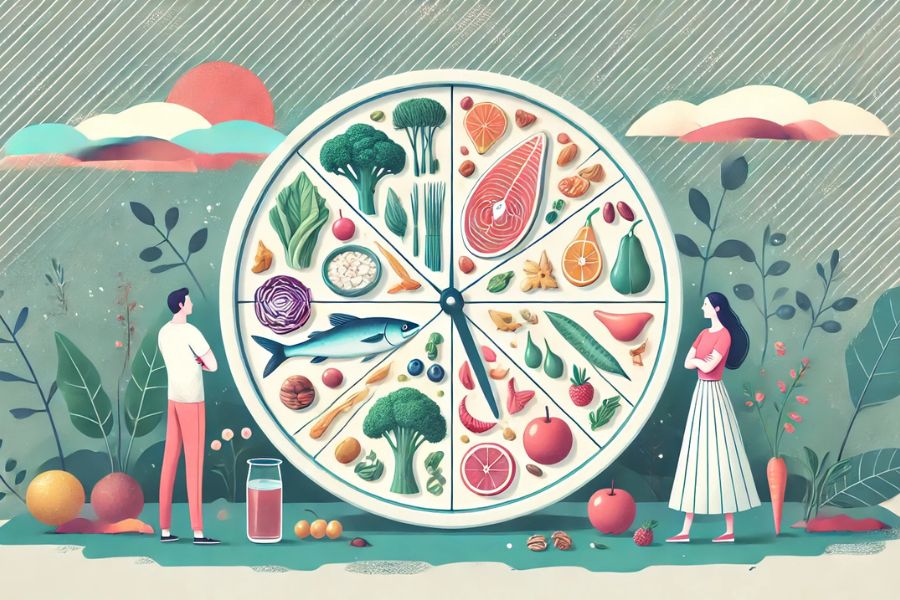
Intermittent fasting has a simple idea at its core: you focus on when you eat, not just what you eat. If you want easy, structured weight loss without counting every bite, learning how to start intermittent fasting can be a helpful first step. With the right schedule, realistic expectations, and a few practical habits, you can ease into fasting without feeling miserable or deprived.
Below, you will learn what intermittent fasting is, how it helps with weight loss, and exactly how to get started in a way that feels manageable in real life.
Understand what intermittent fasting is
Intermittent fasting (often shortened to IF) is an eating pattern where you cycle between periods of eating and periods of not eating. Instead of snacking from morning to night, you give your body a daily or weekly break from digestion.
Popular methods include fasting for 16 hours and eating in an 8 hour window, or doing a full day fast once or twice a week. It focuses on timing, not specific foods, although what you eat still matters for your health and results (Healthline).
During your eating window, you eat normal, balanced meals. During your fasting window, you skip calories and stick to water, herbal tea, black coffee, or other zero calorie drinks (Healthline).
Learn how intermittent fasting supports weight loss
Intermittent fasting makes weight loss easier for many people because it naturally reduces the number of hours you spend eating. That shorter window usually leads to fewer calories, without strict rules or complicated meal plans.
When you fast, your body eventually switches from burning mainly glucose from recent meals to tapping into stored fat for energy. This shift, often called the metabolic switch, happens when your body runs low on readily available sugar and begins producing ketones from fat instead (ZOE).
Over time, this pattern can help:
- Reduce overall calorie intake, which is the foundation of weight loss
- Improve your awareness of true hunger versus habit snacking
- Support better blood sugar control for some people, which may reduce cravings
It is important to remember that intermittent fasting is a tool, not magic. You still need a calorie deficit over time if your goal is weight loss, even if you are only eating in a certain window (Reddit).
Choose a beginner friendly fasting schedule
There is no one perfect way to start intermittent fasting. The best schedule is the one you can stick to most days without feeling miserable.
Start with gentle timing
If you already eat breakfast at 8 a.m. and dinner at 8 p.m., suddenly jumping to one meal a day will feel harsh. Many experts suggest easing into fasting instead of shrinking your eating window overnight, so your body has time to adjust (EatingWell).
Good starting options include:
-
12/12
You fast for 12 hours and eat within a 12 hour window, for example 8 a.m. to 8 p.m. This often matches a typical day and helps you get used to the idea of not eating late at night. -
14/10
You fast for 14 hours and eat within a 10 hour window, for example 9 a.m. to 7 p.m. This is a modest step that can still reduce late night calories. -
16/8
This is the most popular method once you are comfortable. You fast for 16 hours and eat within 8 hours, for example noon to 8 p.m., and most people eat two main meals in that window (Healthline, Reddit).
Consider weekly methods
If daily schedules do not fit your life, you might prefer:
- 5:2 fasting
You eat normally five days per week, and on two nonconsecutive days you limit yourself to one small meal of about 500 to 600 calories (Johns Hopkins Medicine). A 2021 study found that many people found the 5:2 method feasible and acceptable (EatingWell).
Whatever method you choose, you can adjust the exact hours around your work, family, and social life. Some people follow 16/8 during the week and relax a bit on weekends, or mix 16/8 days with occasional longer fasts once they are more experienced (Reddit).
Know what you can eat and drink
What you consume during fasting versus eating windows makes a big difference in how you feel and how well this works for you.
During your fasting window
You avoid calories in order to let your body rest from digestion and fully enter the fasting state. That means no snacks, no juice, and no sugary drinks.
You can have:
- Water
- Sparkling water without sweeteners
- Unsweetened herbal tea
- Black coffee or tea without sugar and preferably without milk
Most guidance says you should stick to drinks with very few calories, such as plain water, black coffee, and unsweetened tea, because any calories technically break a fast (ZOE). You may see mixed opinions about a small splash of milk in coffee, but artificial sweeteners are best avoided since they may affect blood sugar for some people (ZOE).
Staying hydrated also makes fasting much easier. Aiming for around 2 liters, or 64 ounces, of water each day can help you avoid confusing thirst with hunger (EatingWell).
During your eating window
Intermittent fasting does not give you a free pass to eat anything and everything. The quality of your food still matters for weight loss, energy, and overall health.
Try to prioritize:
- Lean protein such as chicken, fish, beans, tofu, or eggs
- Fiber rich carbohydrates like fruits, vegetables, and whole grains
- Healthy fats from nuts, olive oil, avocado, or seeds
Following a style of eating similar to the Mediterranean diet, which focuses on leafy greens, healthy fats, lean proteins, and whole grains, supports better health and more stable energy than fast food or sugary snacks (Johns Hopkins Medicine).
It is also important not to overdo it when your fast ends. Eating slowly, paying attention to your hunger, and stopping when you are satisfied rather than stuffed will prevent you from undoing your calorie deficit (EatingWell).
Intermittent fasting makes weight loss simpler by limiting eating hours, but your progress still depends on what and how much you eat within those hours.
Ease in gradually and avoid common mistakes
Your first week or two with intermittent fasting might feel different. You may notice more hunger at times of day when you used to eat without thinking. The key is easing in and avoiding a few predictable pitfalls.
Do not start with the most extreme schedule
Jumping straight into a restrictive pattern like 20 hours of fasting and 4 hours of eating can leave you dizzy, irritable, or overly tired, especially if you are used to frequent meals. Experts recommend starting with a shorter fast, such as 12/12 or 14/10, then working up to 16/8 when that feels comfortable (Regeneration Health).
Many beginners experience hunger or irritability in the first two to four weeks as the body adapts. Those who stick with it usually report that they feel better and that fasting becomes part of their routine rather than a constant struggle (Johns Hopkins Medicine).
Do not ignore hydration
Because you are skipping meals, you might also unintentionally skip some of the water you would normally drink with those meals. This can lead to headaches, fatigue, or confusion between hunger and thirst.
To avoid this, drink water regularly, include herbal teas, and consider low sugar electrolyte drinks if you sweat a lot or are very active (Regeneration Health). Water rich fruits and vegetables during your eating window, such as cucumbers and berries, can help too (EatingWell).
Do not use your eating window as a free for all
It is tempting to see your eating window as “anything goes” time. Overeating high calorie, low nutrient foods during that window will slow or stop your progress. Instead, focus on balanced, nutrient dense meals with lean protein, healthy fats, whole grains, and plenty of vegetables to support your energy and health (Regeneration Health).
Tailor intermittent fasting to your body
Intermittent fasting is flexible, and that is one of its strengths. You can and should adjust it to your own needs.
Factors to keep in mind include:
- Your work schedule and family routines
- Your activity level and exercise timing
- Your age, sex, and any hormonal concerns
- Medical conditions or medications that affect blood sugar or appetite
Because these individual details matter, it is wise to talk with a healthcare professional before you begin, especially if you are underweight, have any health condition, or are a woman concerned about possible hormonal effects (Healthline, Regeneration Health).
You might also want to track your experience. Some people take “before” photos or measurements so they can see progress over time, rather than relying only on the scale (Reddit). Others use apps to log fasting hours and meals. Tracking can be useful, but you do not need to obsess over every number. What matters most is the general trend and how you feel day to day (Reddit).
Set expectations and stay consistent
Intermittent fasting is more like a lifestyle change than a quick cleanse. Your body needs time to adapt and to show visible changes.
You may notice some benefits, such as fewer evening snacks or better awareness of hunger, within days. Visible weight loss and changes in measurements, however, tend to build up over weeks and months. Patience and consistency matter more than perfection or extreme effort in the short term (Regeneration Health).
Think of fasting as a framework that simplifies your choices. Once you know your eating window, you can plan two or three balanced meals, drink water throughout the day, and stop worrying about constant grazing. Over time, that simplicity can make weight loss feel less like a battle and more like a steady shift in your daily habits.
If you want to begin, pick one small step today. You might stop eating two hours earlier tonight, delay breakfast by one hour tomorrow, or test a simple 12 hour overnight fast. From there, you can build toward the schedule that fits your life and supports your health goals.
About the Author