A keto diet can change how your body looks and feels in just a few weeks. When you look at keto diet before and after photos, you usually see smaller waists, sharper jawlines, and looser clothing. What you do not see right away is how those changes unfold week by week or what it actually feels like to live through them.
This guide walks you through what you can realistically expect before and after starting keto, how your body responds in each phase, and how to tell if this approach is right for you.
Understand what happens to your body on keto
To make sense of keto diet before and after results, it helps to understand what keto does inside your body.
On a typical higher carb diet, your main fuel source is glucose from carbohydrates. When you dramatically cut carbs and increase fat, your body shifts to burning fat for energy instead. In this state, called ketosis, your liver turns fat into ketones, which your body and brain then use as a primary energy source (Cleveland Clinic).
To reach and stay in ketosis, you usually need to:
- Limit carbs to under about 50 grams per day
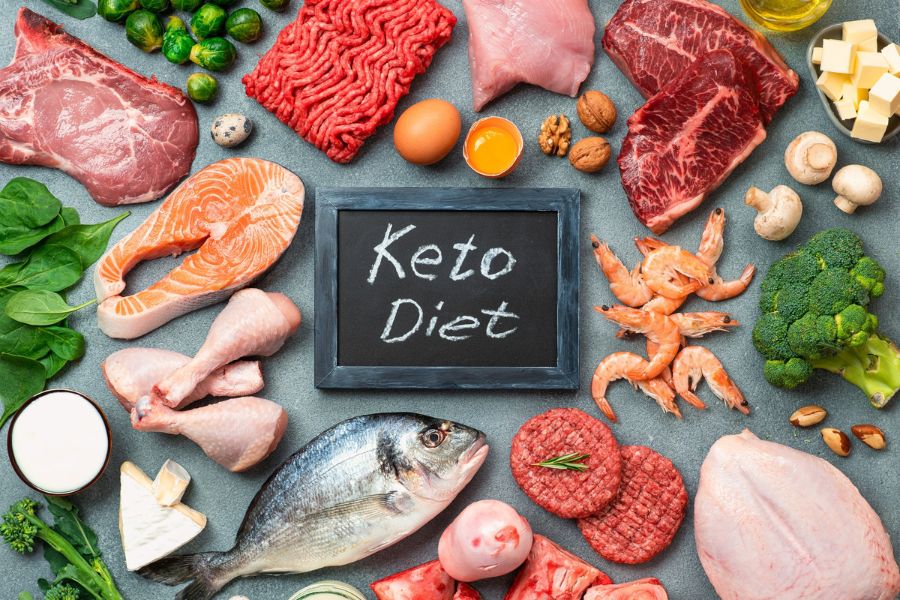
- Get roughly 70 to 80 percent of your calories from fat
- Keep protein moderate at about 10 to 20 percent of calories
- Keep carbs around 5 to 10 percent of your daily intake (Cleveland Clinic)
If you have been eating a high carb diet, this is a major change. It can take two to four days to enter ketosis, but for some people it can take a week or longer, depending on your previous eating habits and your metabolism (Cleveland Clinic).
Week-by-week keto diet before and after timeline
Your keto before and after progress does not happen overnight. It follows a fairly predictable pattern for many people, especially in the first month.
Week 1: Water weight and “keto flu”
During your first week, you typically see the fastest movement on the scale. As you cut carbs, your body uses up its glycogen stores, which are essentially stored carbs in your muscles and liver. Glycogen holds water, so when it is burned, that water leaves too.
In this stage, it is common to lose 2 to 10 pounds, mostly water weight, as your body transitions fuel sources (BodySpec). This looks great on the scale, but it is important to remember that most of that initial drop is not fat yet.
You may also feel some discomfort as your body adapts. Many people experience:
- Headache
- Fatigue or brain fog
- Upset stomach
- Irritability
These symptoms are often called the “keto flu” and reflect your body adjusting from glucose to fat and ketones for energy (Cleveland Clinic). For some, this phase is mild and lasts a day or two, while others feel off for several days.
Week 2: True fat loss begins
By week 2, the scale usually slows down, but this is when your real fat loss starts to show. Average losses often land around 1 to 2 pounds per week, which aligns with safe guidelines for sustainable weight loss (BodySpec, Women’s Health).
You might notice:
- Less intense cravings
- Better appetite control
- More stable energy through the day
- Early changes in how your clothes fit
Many people report fewer mid afternoon crashes at this stage, along with clearer focus and fewer sudden hunger spikes (BodySpec).
Week 3: Visible changes and more energy
By week 3, your keto before and after comparison often becomes more obvious. The scale may continue to move at 1 to 2 pounds per week, but body changes can feel bigger than the number suggests.
People commonly report:
- Looser waistbands and less belly bloat
- Sharper facial features
- Noticeably higher and more stable energy
- Stronger workouts and better sleep
This is often when you feel the full benefits of ketosis. Fat loss continues, usually 1 to 2 pounds per week, while many people say this is their “peak energy” week with improved cognitive performance and better overall mood (BodySpec).
Week 4: Slower scale, bigger body composition shifts
By the fourth week, weight loss may slow to about 0.5 to 2 pounds per week as your body adapts and your energy needs adjust (BodySpec). This can feel frustrating if you are focused only on the scale, but there is usually more happening behind the scenes.
Even when scale changes slow, you may still notice:
- Significant differences in progress photos
- Better muscle definition
- Easier appetite control and fewer cravings
- Consistently high energy
Over a full month of consistent keto, many people lose between 8 and 15 pounds in total, with roughly 3 to 6 pounds of that being true fat loss. Pairing keto with resistance training and enough protein can help you keep lean muscle while targeting more visceral belly fat, which is the deeper fat linked to health risks (BodySpec, Cleveland Clinic).
A real 30 day keto diet before and after story
To bring these numbers to life, it helps to look at an actual experience. A food editor decided to try keto for 30 days before a wedding, hoping to lose 10 pounds by keeping carbs around 20 grams per day (EatingWell).
Here is what happened:
- She lost 10 pounds within three weeks
- By two days before the wedding, she was down 15 pounds total
- After returning to a more typical way of eating, she regained about 4 pounds, mostly from water coming back as carbs increased (EatingWell)
Her before and after photos showed a noticeably slimmer body and a smaller waist. She also described higher energy levels and fewer mid afternoon slumps, although some workouts felt tougher because she did not have as many carbs available for quick fuel (EatingWell).
Her experience also highlighted some challenges:
- Sticking to just 20 grams of carbs daily felt restrictive
- Meals became repetitive, relying heavily on cheese, eggs, bacon, steak, and chicken
- She had a brief “keto flu” day with fatigue and mental fog (EatingWell)
After the month ended, she planned to use keto periodically as a way to cut back on sugar and refined carbs, but not as an all the time lifestyle. She also noted that keto is not suitable for everyone, especially if you have certain medical conditions (EatingWell).
Benefits you may notice before and after keto
Your keto diet before and after experience will be unique, but research and real life stories point to several common benefits.
Weight loss and fat loss
Keto can support weight loss in several ways:
- Lower hunger and fewer cravings, which makes it easier to eat less without feeling deprived
- Better appetite control due to more stable blood sugar
- A tendency to target visceral belly fat while helping you keep lean muscle mass when you eat enough protein (Cleveland Clinic, BodySpec)
Some of your early loss is water, but over time, fat loss becomes more central. With consistent habits, losing about 1 to 2 pounds per week is considered a safe pace (Women’s Health).
Energy, focus, and mood
Many people start keto hoping for physical changes but are surprised by the mental ones. Once you are past the early adaptation phase, you may notice:
- More steady energy across the day
- Fewer energy crashes after meals
- Clearer focus and better mental stamina
These effects line up with reports that ketosis can increase overall energy and improve focus for some people (Cleveland Clinic, BodySpec). In the food editor’s story, she specifically mentioned losing her usual mid afternoon slump and feeling generally more energized on keto (EatingWell).
Motivation from visible changes
Seeing keto diet before and after results, such as tighter clothes or clearer facial definition, can be extremely motivating. That is why transformation photos are so common in keto communities. These images can inspire you as you start or help you stay consistent when progress feels slow.
Publications often highlight real life keto transformations, and those before and after photos are a major source of inspiration for people considering the diet (Women’s Health).
Side effects and drawbacks you should know about
Keto is powerful, but it is also strict. Knowing the possible downsides helps you decide whether it fits your personality, lifestyle, and health needs.
Short term side effects
As your body enters ketosis, you might experience:
- “Keto flu” symptoms like headache, fatigue, or mild nausea
- Short term brain fog
- Changes in digestion, such as constipation
- Noticeable “keto breath” due to certain ketones being exhaled (Cleveland Clinic)
These are usually temporary and tend to ease as your body adapts. Hydration, electrolytes, and gradual carb reduction can help.
Long term considerations
Experts often caution against using very strict keto as a long term everyday diet. Registered dietitians note that keto can be difficult to sustain because it is so restrictive, and it is generally not recommended as a permanent approach for most people (Women’s Health).
Potential concerns include:
- Difficulty getting enough fiber from fruits, whole grains, and some vegetables
- Social and lifestyle challenges, especially around dining out or events
- The mental load of tracking carbs closely every day
Many people, like the food editor mentioned earlier, find that using keto in shorter phases to reset habits or reduce sugar intake works better than staying on it continuously (EatingWell).
Is keto right for you?
Before you chase dramatic keto diet before and after photos, it is important to consider your health background and preferences.
You should talk with your doctor before starting keto, especially if you:
- Have diabetes or blood sugar issues
- Take medication for blood pressure or heart conditions
- Have a history of kidney, liver, or pancreatic disease
- Are pregnant, breastfeeding, or managing an eating disorder
Nutrition experts strongly recommend getting medical guidance before beginning such a restrictive diet so you can be sure it is safe and appropriate for your situation (Women’s Health).
If your doctor gives you the green light, you can then decide how strict and how long you want to follow keto. For some, a classic very low carb approach works best. For others, a slightly higher carb, lower restriction style that still focuses on cutting sugar and refined carbs may feel more sustainable.
How to set yourself up for better keto results
To see the best before and after changes on keto, you want both realistic expectations and a solid plan.
-
Give yourself at least 4 weeks
This allows you to get past the initial water weight drop, through the keto flu period, and into true fat loss and energy improvements. -
Track more than just the scale
Take measurements, progress photos, and pay attention to your energy, mood, sleep, and hunger. These give you a fuller picture of progress, especially when the scale slows. -
Prioritize whole, nutrient dense foods
Even though bacon and cheese are technically keto friendly, try to build your meals around non starchy vegetables, quality proteins, healthy fats, and enough electrolytes to support your energy. -
Add strength training if possible
Resistance exercise, combined with adequate protein, helps you maintain lean muscle while losing fat. This can make your keto before and after photos look even more dramatic because muscle gives your body more shape and tone. -
Have an exit or maintenance plan
If you do not intend to stay on strict keto forever, think about how you will add carbs back gradually. This can help you avoid rapid water weight regain and support a smoother transition.
Keto can be a powerful short term tool for fat loss and habit change, but it works best when you match it to your health status, your personality, and a clear plan for what comes next.
If you decide to try keto, approach it as an experiment. Pay attention to how your body feels before and after each phase, work with your healthcare provider, and adjust as needed. That way, your before and after will not just show a smaller body, it will also reflect more energy, better habits, and a way of eating that actually fits your life.
About the Author